Browse

Log in / Register
 Share

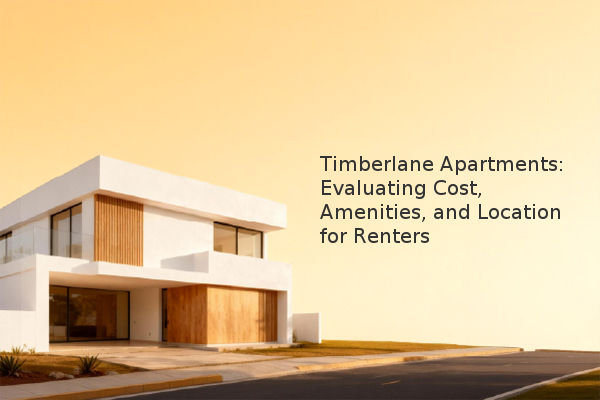
For renters considering Timberlane Apartments, the decision hinges on a clear assessment of three measurable factors: the rental cost relative to local market averages, the specific on-site amenities offered, and the property's proximity to essential services and employment hubs. This objective analysis provides a foundational checklist to determine if this community aligns with your budget and lifestyle needs, based on verifiable data rather than subjective claims.
Understanding the Rental Cost Structure The monthly rent is the primary financial consideration. When evaluating Timberlane Apartments, it is crucial to compare the listed price for your desired floor plan against the average rent for similar apartments in the immediate area. Costs can vary significantly based on factors like square footage, number of bedrooms and bathrooms, and floor level. Beyond the base rent, you must account for additional monthly fees. These often include utilities (which may be separate or bundled), renters insurance (a mandatory policy that protects a tenant's personal property), parking fees for reserved spots or garages, and pet rent if applicable. Requesting a detailed breakdown of all monthly charges is an essential first step in the evaluation process.
Evaluating On-Site Amenities and Common Areas Amenities can add significant value to a rental experience. Timberlane Apartments likely offers a standard set of features. Objectively assess their importance to your daily routine. A fitness center, swimming pool, and communal lounge areas are common. More practical amenities might include in-unit laundry, modern kitchen appliances, and secure package delivery systems. It is advisable to verify the operational hours, maintenance status, and any potential fees associated with using these amenities. For example, a 24-hour fitness center may be more valuable than one with limited access, and a pool's seasonal availability should be confirmed.
Analyzing Location and Commute Times The property's location directly impacts your quality of life and monthly expenses. Key factors to measure include the average commute time to your workplace or major employment centers using mapping services during typical rush hours. Proximity to grocery stores, healthcare facilities, pharmacies, and public transportation stops is also critical. Furthermore, research the neighborhood's walkability and bikeability scores, which are objective metrics available from various online sources. A location that reduces reliance on a car can lead to substantial savings on gas and vehicle maintenance, offsetting a potentially higher rent.
Key Considerations Before Signing a Lease Agreement Once you have gathered the factual data on cost, amenities, and location, the final step involves a meticulous review of the lease agreement. This is a legally binding contract between a landlord and a tenant outlining the terms of the rental. Pay close attention to policies on maintenance requests, guest stays, subletting, and early termination clauses. Before moving in, complete a thorough walk-through inspection with the property manager, documenting any existing damage with photos or video to ensure you are not held responsible for it later. This objective, documented approach protects your interests.
In summary, choosing an apartment is a data-driven process. By focusing on comparable rental costs, the tangible value of amenities, and quantifiable location benefits, you can make an informed decision about Timberlane Apartments. Always scrutinize the lease agreement and document the property's condition before signing.