Browse

Log in / Register
 Share
Share
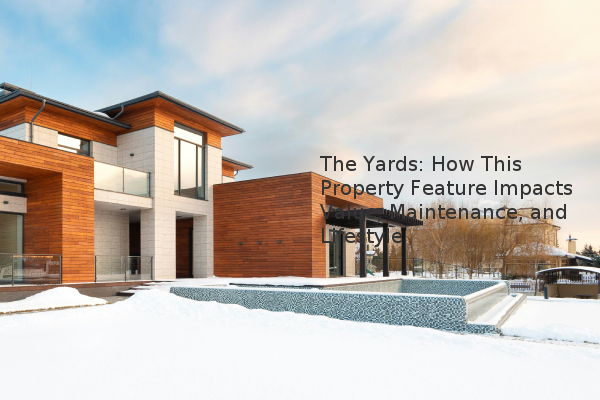
A well-maintained yard is more than just green space; it's a significant factor in a property's value, maintenance requirements, and overall livability. For many home buyers and sellers, the size, condition, and features of a yard can influence a home's market price by thousands of dollars. Understanding how to evaluate and maintain this outdoor area is crucial for making informed real estate decisions. This analysis breaks down the key considerations, from landscaping's return on investment to the practicalities of upkeep.
Appraisers and real estate agents often use a principle called curb appeal—the attractiveness of a property when viewed from the street—to assess a yard's impact. A manicured lawn, healthy trees, and structured landscaping can create a strong first impression, potentially increasing buyer interest and the final sale price. However, the value added is not always a direct dollar-for-dollar return on what was spent. For example, an elaborate, high-maintenance garden might appeal to a niche set of buyers but could be seen as a burden to others. Based on our experience assessment, standard upgrades like a sprinkler system or a deck often offer a more predictable boost in value. The key is a balanced design that complements the home and is appropriate for the local climate.
The term yard encompasses various landscapes, each with distinct upkeep needs. A traditional grass lawn requires regular mowing, watering, and seasonal fertilization. In contrast, a xeriscaped yard—a landscaping method developed for dry climates that uses drought-tolerant plants—significantly reduces water consumption but may involve different weeding and pruning schedules. The size of the yard is another primary factor. A larger area means more time and money spent on maintenance, whether you do it yourself or hire a professional service. Potential home buyers should realistically assess their willingness to perform these tasks or budget for ongoing costs, which can range from $50 to $200 per month for basic lawn care services.
Beyond basic grass, a yard's functionality is defined by its features. These can range from practical additions to luxurious amenities. When evaluating a property, consider the condition and utility of existing elements:
Adding a feature like a patio can yield a reasonable return, but the primary benefit is often the enhancement of your personal enjoyment of the home.
When preparing to sell a home, focusing on the yard is a strategic move. The goal is to showcase the space as a low-maintenance, valuable extension of the living area. Start with essential cleanup: mow the lawn, edge the walkways, trim overgrown bushes, and clear away any debris. Adding a fresh layer of mulch to planting beds provides a neat, uniform appearance. For a quick boost, place container plants with seasonal flowers near the entrance. The investment should be modest and aimed at presenting a clean, welcoming, and manageable outdoor space, allowing potential buyers to envision themselves using it without being overwhelmed by immediate projects.
In summary, a yard is a dynamic asset that requires careful evaluation. Buyers should assess its condition and features against their lifestyle and budget for upkeep. Sellers can strategically enhance curb appeal to attract offers. Ultimately, a well-considered approach to this outdoor space ensures it contributes positively to both your financial investment and your daily quality of life.