Browse

Log in / Register
 Share

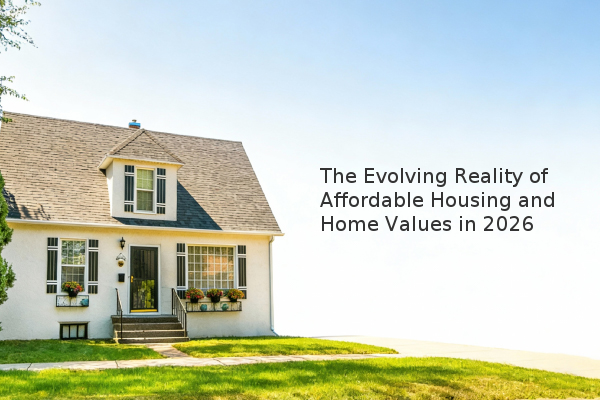
The landscape of affordable housing has fundamentally shifted. In today's market, the need for affordable housing extends far beyond traditionally disenfranchised groups to include working and middle-class families, significantly reducing the historical stigma. Modern affordable housing developments are now often architecturally integrated and environmentally friendly, a stark contrast to past stereotypes. For homeowners, the key takeaway is that well-designed affordable housing does not inherently depress property values and can even complement a neighborhood's character. Understanding this evolution is critical for making informed real estate decisions.
The public perception of affordable housing has undergone a substantial change. The primary driver is a shift in the demographic needing these homes. It is no longer solely associated with deep poverty; instead, teachers, service workers, and many middle-income earners are finding themselves priced out of the communities where they work. This broader need has fostered greater community support. Based on our experience assessment, new proposals often see coalitions of varied races, ethnicities, and socioeconomic classes advocating for their construction. The term "housing projects" has largely fallen out of use, replaced by more precise and less stigmatizing language.
Furthermore, the physical reality of affordable housing has evolved. The outdated image of isolated, poorly maintained towers is being replaced by developments that prioritize design and integration. Many new constructions are architecturally significant, often blending seamlessly with existing neighborhood aesthetics and incorporating sustainable, green building practices. This focus on quality helps mitigate potential concerns from neighboring homeowners about the impact on their property's curb appeal and overall value.
A common concern among homeowners is whether affordable housing will negatively affect their property values. The relationship is complex and highly dependent on the specific project and local market conditions. It is not a given that values will decrease. In fact, a well-maintained and well-managed affordable development can stabilize a neighborhood by ensuring a diverse and stable population. The critical factors are the quality of the construction, the management standards, and how well the development is integrated into the community's fabric.
For a clearer picture, consider the current data for a market like Yonkers, New York. According to recent assessments, the area is experiencing a strong seller's market, with the average listing price for a home at approximately $339,900. The high cost of living, including significant property tax obligations (a levy imposed by the government on the value of a property), can make homeownership challenging. In such a high-cost environment, affordable housing options are essential for the local workforce and do not automatically counteract strong market fundamentals. The impact is more predictable when evaluating the management quality and design of the specific development rather than the concept of affordability itself.
For individuals navigating the real estate market, the presence of affordable housing should be evaluated with a modern perspective. When considering a home purchase, research any planned affordable developments in the area. Look at the architect's plans, the credentials of the management company, and the specific zoning regulations. A well-designed development can be a community asset, not a liability. Objectively reviewing these details provides a more accurate assessment of potential future impacts than relying on outdated assumptions.
The conversation has moved from outright opposition to a focus on smart integration. The core lesson for 2026 is that the need for varied housing options is universal. The most resilient communities are those that plan for a mix of housing types to accommodate residents across the income spectrum. This approach supports long-term stability and can make a neighborhood more attractive to a broader range of buyers.
In conclusion, the narrative around affordable housing has matured. The outdated stigma has faded as the need has become more widespread and the solutions have become more sophisticated. For homeowners and buyers, the key is to focus on the specific qualities of any new development rather than the label of "affordable." Well-executed projects are unlikely to harm property values in a strong market and can contribute positively to community diversity and stability.