Browse

Log in / Register
 Share
Share
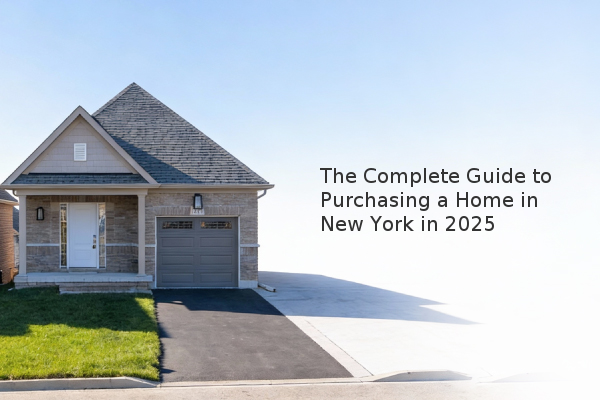
Purchasing a home in New York involves navigating a complex real estate landscape, from competitive bidding in NYC to understanding specific state laws. The core process requires a thorough financial review, selecting the right legal representation, and budgeting for significant closing costs, which can be 2-5% of the purchase price statewide. This guide outlines the essential steps for a successful purchase.
Before you even look at listings, your financial readiness is paramount. Getting pre-approved for a mortgage is the first critical step. A pre-approval letter from a lender shows sellers you are a serious buyer and clarifies your budget. You'll also need to prepare for the down payment, which typically ranges from 3% for certain government-backed loans to 20% to avoid private mortgage insurance (PMI). A crucial part of this phase is reviewing your credit score, as it directly impacts your mortgage interest rate. Based on our experience assessment, organizing these financial documents early can prevent delays later.
The process can vary significantly between New York City and other parts of the state. In NYC, co-op apartments are common, which require a rigorous board application process unlike purchasing a condominium (condo) or a single-family home. A condo involves ownership of your individual unit and a share of common areas, while a co-op means you own shares in a corporation that owns the building. Upstate, you'll more frequently encounter single-family homes and townhouses. Understanding these property types is essential, as each comes with different rules, fees, and ownership structures.
Once you find a property, making a competitive offer is key. In a seller's market, you may face multiple-offer situations. Your real estate agent will help you structure an offer, which may include an earnest money deposit—a good-faith deposit typically ranging from 1% to 5% of the purchase price held in an escrow account. Negotiations aren't just about price; they can also include contingencies like a satisfactory home inspection or a satisfactory mortgage commitment. It's vital to work with an experienced real estate attorney, as New York state law requires their involvement to handle contracts and title transfer.
Closing costs are the fees and expenses paid to finalize your real estate transaction. In New York, these are among the highest in the nation. Buyers should budget for these additional expenses, which are separate from the down payment. Key components often include:
A realistic estimate for closing costs in New York is between 2% and 5% of the home's purchase price. The table below provides a simplified breakdown for a $500,000 purchase.
| Cost Category | Estimated Cost |
|---|---|
| Lender Fees | $1,500 - $3,000 |
| Title Insurance | $1,000 - $2,500 |
| Attorney Fees | $1,500 - $3,000 |
| Property Transfer Tax | Varies by County |
| Total Estimated Range | $10,000 - $25,000 |
The closing, or settlement, is the final step where ownership is legally transferred. You'll review and sign numerous documents, including the mortgage note and the deed. Your attorney will ensure the title search is clear, meaning there are no outstanding liens or claims against the property. Finally, you'll provide a certified check for the remaining down payment and closing costs. After all documents are signed and funds are disbursed, you receive the keys to your new home.
To navigate a New York home purchase successfully, focus on securing financing early, understanding regional market differences, and hiring a qualified real estate attorney. Always budget for closing costs beyond your down payment to avoid last-minute financial stress.