Browse

Log in / Register
 Share
Share
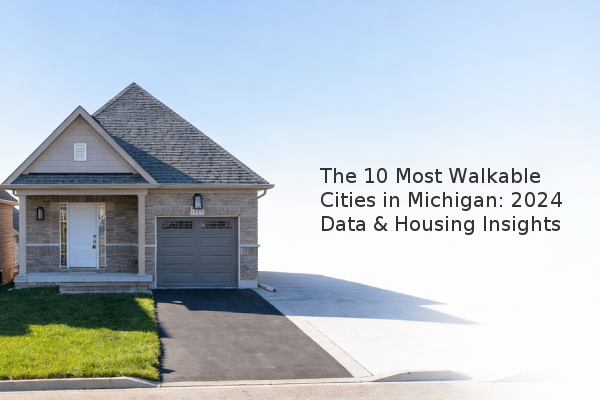
For home buyers and renters prioritizing a pedestrian-friendly lifestyle, Michigan offers several communities where daily errands and leisure are easily accessible on foot. Based on the latest Walk Score data—a widely recognized measure of a location's walking convenience—the following ten cities stand out for their high walkability. This analysis provides key housing market trends, including median sale prices and rent figures, to help you make an informed decision.
What Makes a City Walkable?
A Walk Score is a metric that evaluates a neighborhood's walkability on a scale from 0 to 100. It measures access to amenities like grocery stores, schools, parks, and restaurants within a reasonable walking distance. A score of 70 or above indicates that most errands can be accomplished on foot, reducing reliance on a car. This is a significant factor for many, influencing everything from health to transportation costs.
The Top 10 Most Walkable Cities in Michigan
The following list is ranked by Walk Score, with supporting housing data to illustrate the current market in each city.
| City | Walk Score | Median Sale Price | Median Rent Price |
|---|---|---|---|
| Hamtramck | 82 | $175,000 | $1,075 |
| Ferndale | 67 | $251,500 | $1,550 |
| Ypsilanti | 62 | $230,000 | $1,166 |
| Lincoln Park | 60 | $150,000 | $1,331 |
| Wyandotte | 60 | $190,000 | $1,288 |
| Birmingham | 60 | $700,000 | $2,508 |
| Dearborn | 58 | $240,000 | $1,616 |
| Royal Oak | 57 | $323,000 | $1,955 |
| Eastpointe | 57 | $150,000 | $1,325 |
| Madison Heights | 57 | $207,500 | $1,508 |
Data sourced from public records and multiple listing services, valid for 2024.
What Are the Key Considerations When Choosing a Walkable City?
While a high Walk Score is attractive, it's one piece of the puzzle. Based on our experience assessment, your decision should also weigh the local housing market. For instance, Birmingham's high median sale price of $700,000 reflects its affluent nature, whereas cities like Hamtramck and Lincoln Park offer more accessible entry points for buyers. Your budget will significantly narrow down the options. Furthermore, consider the types of amenities within walking distance. A city with a walkable downtown filled with shops and restaurants offers a different lifestyle than one with easy access to parks and schools.
How Does Walkability Impact Property Value and Lifestyle?
Neighborhoods with high walkability often see a premium on property values due to increased demand. The convenience of walking to cafes, libraries, and public transit can enhance daily life and potentially lead to long-term savings on transportation. However, it's important to balance this with your personal needs. A family might prioritize proximity to parks and highly-rated schools, while a young professional may value access to nightlife and public transportation links to major employment centers.
Practical Advice for Your Home Search
Visit at different times: A neighborhood that seems quiet on a Tuesday afternoon may have a different character on a weekend evening. Check transit connections: Even in a walkable city, you'll likely need to leave sometimes; evaluate public transportation options. Understand homeowner association (HOA) fees: In some walkable downtown condominiums, HOA fees can be significant and should be factored into your budget.
Ultimately, the best walkable city for you aligns with your financial plan and lifestyle goals. Boldly prioritizing your must-haves—be it budget, specific amenities, or community vibe—will guide you to the right Michigan community.