Browse

Log in / Register
 Share

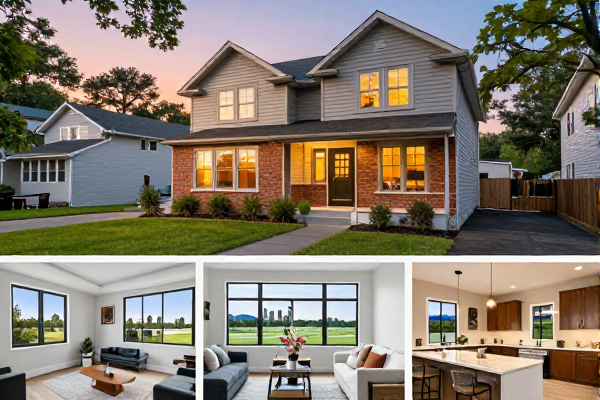
Syracuse's median home value is projected to experience moderate growth in 2026, continuing a trend of steady appreciation driven by affordability and sustained demand. While the national market shows signs of cooling, the Syracuse, New York, real estate landscape remains a relative bargain for buyers, with a diverse range of neighborhoods offering distinct price points. This analysis provides a data-driven overview of the Syracuse housing market, including current trends, neighborhood-specific price guides, and factors influencing property values this year.
As of 2026, the Syracuse housing market is characterized by balanced conditions, leaning slightly towards sellers in certain popular areas. The key driver remains affordability; the median home value in the Syracuse metropolitan area is significantly below the national average. This attracts first-time homebuyers and investors looking for stable returns. Appreciation, which is the increase in a property's value over time, is expected to be in the 3-5% range for 2026, a sustainable pace compared to the volatile swings seen in other regions. Inventory levels have improved from the historic lows of previous years, giving buyers more options, but well-priced homes in desirable school districts continue to receive multiple offers.
Home values in Syracuse vary dramatically by neighborhood. Here is a breakdown of estimated median sale prices for single-family homes in key areas for 2026:
| Neighborhood | Estimated Median Sale Price (2026) | Market Vibe |
|---|---|---|
| Strathmore | $350,000 - $450,000 | Historic homes, strong community feel, top-rated schools. |
| Eastwood | $250,000 - $320,000 | Family-friendly, mix of classic colonials and smaller starter homes. |
| Tipperary Hill | $220,000 - $300,000 | Vibrant, younger demographic, popular local business district. |
| Outer Comstock | $280,000 - $370,000 | Proximity to Syracuse University, well-maintained older homes. |
| Valley | $150,000 - $220,000 | Most affordable area, undergoing gradual revitalization. |
Note: These figures are estimates based on recent sales data and market trends. Actual sale prices can vary based on a home's condition, specific location, and features.
Several local factors are shaping the Syracuse real estate market this year. Major ongoing investments in downtown revitalization, including commercial and infrastructure projects, are boosting the city's overall appeal. The presence of large employers like Syracuse University, SUNY Upstate Medical University, and the expanding tech sector provides a stable employment base, supporting housing demand. Additionally, property taxes in Onondaga County are a significant consideration for buyers; while they can be higher than in some other parts of the U.S., they are often offset by the lower initial purchase price of homes.
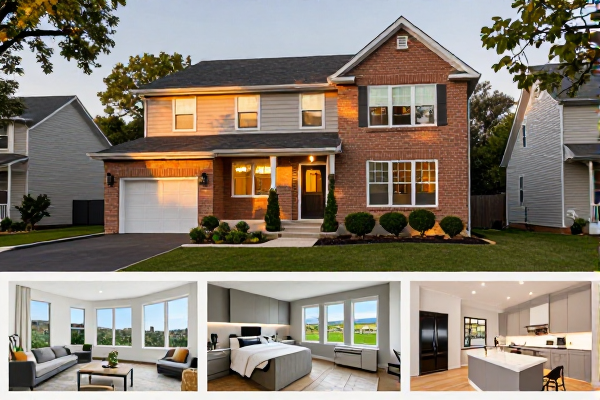
The market dynamics in Syracuse are best described as balanced but competitive. Sellers benefit from consistent demand and rising values, especially for homes priced correctly from the start. However, buyers are not facing the frenzied bidding wars common in hotter markets, and there is more room for negotiation, particularly for properties that have been on the market for several weeks. A critical step for any buyer is obtaining a thorough home inspection and considering title insurance, a form of indemnity insurance that protects against financial loss from defects in a property's title.
To navigate the 2026 Syracuse market successfully, buyers should get pre-approved to strengthen their offers, while sellers must price their homes competitively based on recent comparable sales in their specific neighborhood. The city's enduring affordability and stable economic drivers make it a market worth serious consideration.