Browse

Log in / Register
 Share
Share
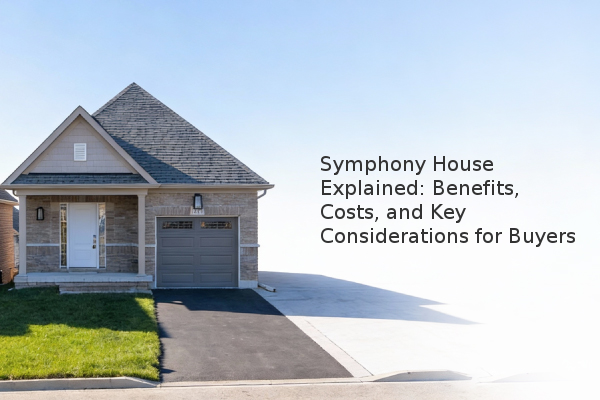
A Symphony House is not a specific architectural style but a marketing term used by builders to describe a home engineered with superior soundproofing and acoustic qualities, creating a quiet, serene living environment. While these homes offer significant benefits like enhanced privacy and potential energy efficiency, buyers should be prepared for a premium price and understand that the quality of construction is the true determinant of value, not just the label itself. This article provides an objective assessment to help you determine if a symphony house aligns with your needs and budget.
What Exactly is a Symphony House?
The core feature of a Symphony House is its focus on minimizing noise transmission. This is achieved through specialized construction techniques that go beyond standard building codes. Key elements often include enhanced insulation in interior and exterior walls, double- or even triple-pane windows, and sound-dampening underlayment beneath flooring. The goal is to reduce both airborne noise (like conversations or television sounds) and impact noise (like footsteps). It's crucial to understand that this is a builder-specific designation, not a certified standard, meaning the actual performance can vary significantly between different builders using the same term.
What Are the Tangible Benefits for Homeowners?
The primary advantage is an increased quality of life through acoustic comfort. For families, it means less noise disruption between rooms. For those living in noisy urban areas or near airports, it can dramatically reduce external disturbances. This soundproofing often correlates with better energy efficiency, as the same materials that block sound also provide superior thermal insulation, potentially lowering heating and cooling costs. Furthermore, the emphasis on higher-quality construction materials can contribute to the home's overall durability and long-term value, making it an attractive feature for future resale.
Key Construction Features to Evaluate
When considering a symphony house, look beyond the label and ask the builder for specific details. Inquire about the Sound Transmission Class (STC) rating, which measures a wall or ceiling's ability to block airborne sound. A higher STC rating indicates better performance. Also, ask about the Impact Insulation Class (IIC) rating for floors, which measures resistance to impact noise. Reputable builders should be able to provide this data. The following table outlines common features and their purposes:
| Feature | Purpose |
|---|---|
| Double-Pane Windows | Reduces external noise and improves energy efficiency. |
| Solid Core Interior Doors | Blocks more sound than standard hollow-core doors. |
| Insulated Concrete Forms (ICFs) | Provides exceptional sound dampening and structural strength. |
| Staggered Stud Walls | Decouples wall surfaces to minimize sound vibration transfer. |
What are the Potential Drawbacks and Costs?
The most significant consideration is the cost. The specialized materials and labor required for advanced soundproofing can add a premium of 5% to 15% to the base price of a comparable home without these features. Buyers must conduct due diligence to ensure the "symphony" label is backed by verifiable construction quality. It is also important to note that while these homes reduce noise, they do not create absolute silence; some level of sound transmission is always possible. Over-emphasizing this feature could lead to overpaying if the other fundamental aspects of the home's construction, location, and layout are not also sound.
Is a Symphony House a Good Investment for You?
The decision ultimately depends on your personal priorities and budget. If you highly value peace and quiet, work from home, or have a low tolerance for neighborhood noise, the investment may be justified. However, it is essential to compare the asking price with similar homes in the area that lack the symphony designation. Request a detailed breakdown of the soundproofing features and, if possible, seek an independent home inspector's opinion before purchase. The resale value will be influenced by how much future buyers in your market prioritize acoustic privacy.
In summary, a Symphony House represents a commitment to quieter living through specific construction methods. To make an informed decision: