Browse

Log in / Register
 Share

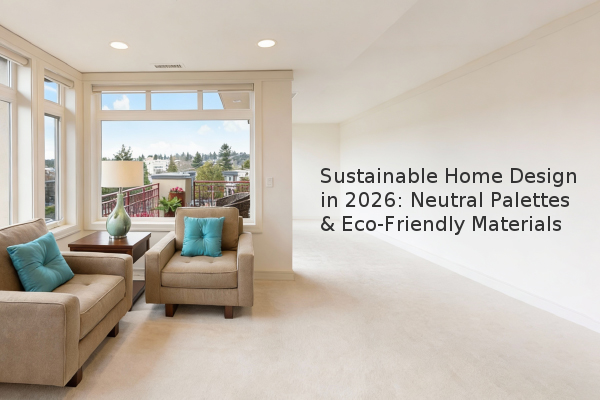
Integrating sustainable materials and neutral color schemes into home design is a significant trend for 2026, offering broad market appeal and potential health benefits. Based on our experience assessment, these choices are not just aesthetically pleasing but align with growing buyer preferences for wellness-conscious and environmentally friendly living spaces. Key elements gaining traction include low-VOC paints and built-in aromatherapy features, which can enhance a home's ambiance without relying on gendered or overly vibrant colors.
What are the benefits of low-VOC and vegan paints? Standard paints often contain Volatile Organic Compounds (VOCs), which are chemicals that can off-gas into the air and potentially affect indoor air quality. For homeowners concerned with environmental impact and health, alternatives like low-VOC or vegan paints are increasingly popular. Vegan paint, a specific category, is formulated without any animal-derived products, such as the milk protein casein sometimes used in natural paints. The primary benefit is a reduction in potential irritants and a smaller environmental footprint. In 2026, selecting such finishes can be a strategic decision for homeowners looking to modernize their property.
How can built-in aromatherapy be incorporated into a home? Some specialty paints and finishes now incorporate essential oils, such as eucalyptus or rosemary, which are claimed to have immune-boosting properties. While the scientific consensus on these specific claims varies, the inclusion of natural scents is a design feature that contributes to a home's sensory experience. This approach moves beyond simple air fresheners to create a more integrated and subtle ambiance. For sellers, highlighting these unique features can differentiate a property in a competitive market.
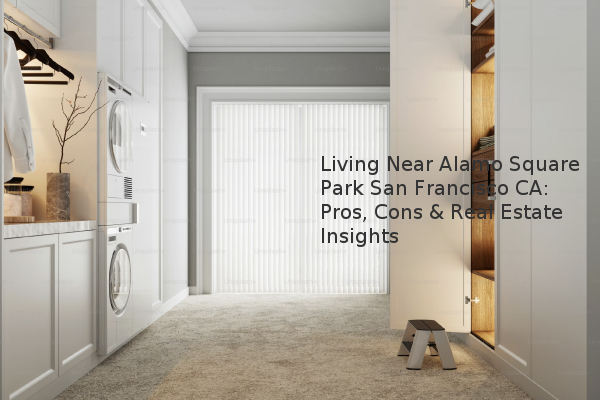
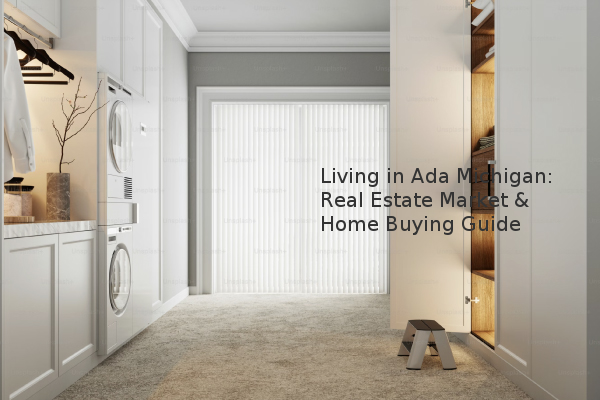
Why are neutral color palettes a smart choice for home staging? Opting for a monochrome palette of whites, grays, and beiges is a widely recognized strategy in real estate. Neutral colors help potential buyers visualize their own belongings in the space, making it easier for them to form an emotional connection to the property. This approach is considered a safe and effective way to appeal to the widest possible audience. It avoids the divisiveness that can come with bold, personal color choices and creates a clean, bright canvas that makes rooms appear larger and more welcoming.
| Design Feature | Potential Impact on Home Value | Estimated Cost (2026) |
|---|---|---|
| Low-VOC/Vegan Paint | Moderate positive impact; high appeal to eco-conscious buyers | ~$35 - $50 per gallon |
| Neutral Color Palette | High positive impact; fundamental to effective staging | Cost of paint and labor |
| Integrated Aromatherapy | Niche appeal; can be a differentiating factor | Varies with product selection |
Making updates with broad appeal is a key principle for maximizing a property's marketability. According to recent data from Realtor.com, homes described as having "neutral décor" or "eco-friendly features" often see increased online engagement from potential buyers.
To implement these ideas effectively, focus on updates that offer the widest appeal. Prioritize quality, low-VOC paints in neutral tones throughout main living areas. While specialized features like scent-infused paints are interesting, their impact is less predictable than the proven value of a fresh, neutral color scheme. The most reliable advice for homeowners in 2026 is to invest in foundational improvements that create a blank slate for buyers.