Browse

Log in / Register
 Share
Share

For homebuyers in 2026 seeking a residence that combines sustainable design, indoor-outdoor living, and modern aesthetics, innovative architectural trends offer viable, market-rate solutions. These homes prioritize energy efficiency, durable natural materials, and flexible living spaces, proving that custom, eco-conscious design is increasingly accessible. Based on our experience assessment, the key trends moving forward include universal design principles, advanced insulation, and integrated solar technology, which collectively enhance long-term value and livability.
What defines a modern, sustainable home in 2026?
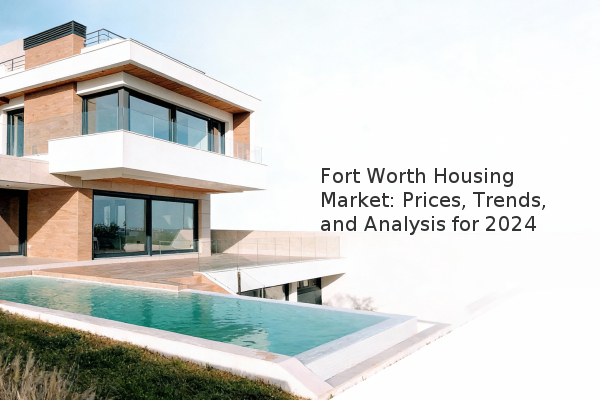
Contemporary sustainable homes are characterized by their use of natural materials, energy-efficient systems, and designs that blur the lines between inside and outside. A common feature is the use of solar panels to generate power and high-performance insulation to significantly reduce heating and cooling costs. Exteriors often incorporate materials like stained wood, regional stone, and large glass windows to maximize natural light. The floor plan is another critical element, with many modern layouts opting for reversed configurations—placing main living areas on upper floors to capture better views—or creating distinct wings to provide privacy for family members. These design choices are not just aesthetic; they are functional decisions that lower utility bills and improve daily comfort.
How do sustainable features impact affordability?
While the initial cost of some green features can be higher, they lead to substantial savings over time. For example, homes equipped with solar panels can produce more energy than they consume, leading to minimal or even negative utility bills. Heavy insulation, a key component in Passive House design, drastically reduces the need for artificial heating and cooling. Furthermore, building with durable, low-maintenance materials like concrete block and regional stone minimizes future repair costs. When these features are incorporated into the initial design and construction phase, the overall investment becomes more manageable. The goal is to achieve a lower total cost of ownership rather than just a lower purchase price.
What are the benefits of community-focused housing designs?
A significant trend for 2026 is the development of homes within intentional communities that share resources. This model often includes common houses for social gatherings, shared gardens, and other communal spaces. This approach fosters a strong sense of community while reducing the individual homeowner's burden for maintaining large private yards. From a practical standpoint, shared amenities can make sustainable living more affordable and accessible. These developments often feature a mix of housing types—such as single-family homes, duplexes, and townhouses—catering to a diverse range of buyers and budgets, all while promoting a collaborative lifestyle.
To successfully navigate the market for a modern, sustainable home, focus on these key elements: