Browse

Log in / Register
 Share
Share
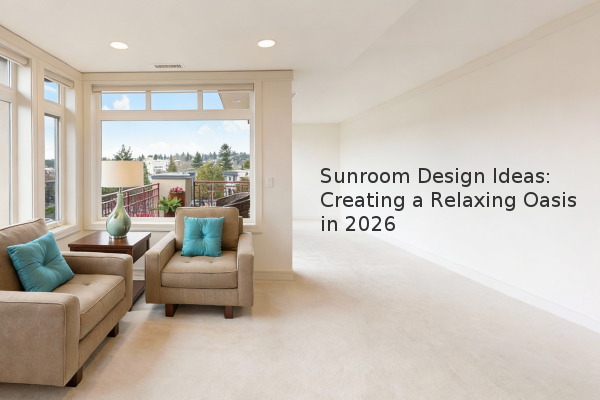
Transforming your sunroom into a serene, resort-like retreat is achievable by focusing on a few key design principles. The most successful sunroom designs directly address the room's purpose, local climate conditions, and strategic choices in furniture, color, and greenery. By carefully planning these elements, you can create a versatile space that enhances your home's value and your quality of life. This guide outlines the essential considerations for your 2026 sunroom project, helping you avoid common mistakes and maximize enjoyment.
Your home’s geographic location is the primary factor influencing sunroom design, as it dictates temperature and sunlight exposure. Based on our experience assessment, homeowners in warmer, sunnier climates like Florida prioritize heat mitigation, while those in cooler regions like New Hampshire focus on retaining warmth for year-round use.
Southern Climate Considerations: In areas with intense heat and humidity, effective strategies include selecting plants that thrive in such conditions, incorporating window treatments like blinds to block harsh afternoon sun, and choosing lighter, reflective color palettes. The goal is to prevent the space from becoming uncomfortably warm.
Northern Climate Considerations: For cooler climates, the emphasis shifts to winterization—ensuring the space can be used from late fall through early spring. This often involves selecting plants tolerant of cooler temperatures and using furnishings in muted, warmer colors. Proper insulation and perhaps a supplemental heat source are critical considerations for a Northern sunroom to be a true four-season room.
Before selecting a single piece of furniture, clearly defining the room's purpose is essential. A sunroom can serve multiple functions, but establishing a primary intent guides all subsequent design decisions. Common uses include a primary or secondary living area, a dining room, a home gym, a reading nook, or a dedicated space for hobbies.
Choosing a single, primary purpose prevents the design from becoming disjointed. For instance, a sunroom intended as a serene reading room will have different furniture and lighting needs than one designed as a vibrant family game room. This clarity ensures every element you introduce supports the room's main function, creating a cohesive and intentional space.
Sunrooms are characterized by abundant natural light, which can damage indoor furnishings over time. Therefore, selecting UV-resistant materials is a non-negotiable for longevity. Indoor wood furniture can crack or fade if placed in direct sunlight for prolonged periods.
Color selection is not merely an aesthetic choice; it can influence the perception of light and space. The room's orientation is a key factor. North-facing rooms, which receive less direct sunlight, benefit from brighter, light-reflecting colors to counteract potential gloominess.
The overall color scheme is determined by more than just wall paint. Furniture, rugs, and accessories contribute significantly. With sunrooms typically having more glass than wall space, these elements define the color palette. Soothing tones like light blues and greens can help blend the interior with the outdoor landscape, promoting a calm and relaxing atmosphere reminiscent of a personal retreat.
Integrating live plants is one of the most effective ways to enhance a sunroom's natural ambiance. The key is to match plant species with the specific light conditions of your sunroom. Assess how much direct sunlight the room receives throughout the day.
A useful guideline is to choose plants for your sunroom that you would successfully grow in an outdoor garden in your climate. For a space with constant sunshine from morning to evening, sun-loving plants like succulents are ideal. For a sunroom that is shaded for much of the day, plants that thrive in indirect light, such as ferns or fiddle-leaf figs, are better choices. It's important to consider temperature fluctuations, especially in colder climates, to ensure plants survive the cooler months.
The decision to incorporate a TV or other electronics hinges entirely on the room's designated purpose. If the sunroom is intended as a quiet escape for reading or meditation, electronics are likely unnecessary. However, if it functions as a primary living area, a television may be desirable.
To maintain a tranquil aesthetic, you can integrate technology discreetly. Mounting a TV on the wall and eliminating a large media console prevents it from becoming the room's focal point. Surrounding the screen with art or other decorative elements can help it blend seamlessly into the overall design, preserving the room's relaxing vibe.
To create your ideal sunroom in 2026, begin by defining a clear purpose for the space. Then, select climate-appropriate materials and UV-resistant furnishings to ensure durability. Incorporate a color scheme that complements the natural light, and choose plants that will thrive in the room's specific environment. By addressing these core areas, you can design a sunroom that serves as a valuable and enjoyable extension of your home.