Browse

Log in / Register
 Share
Share
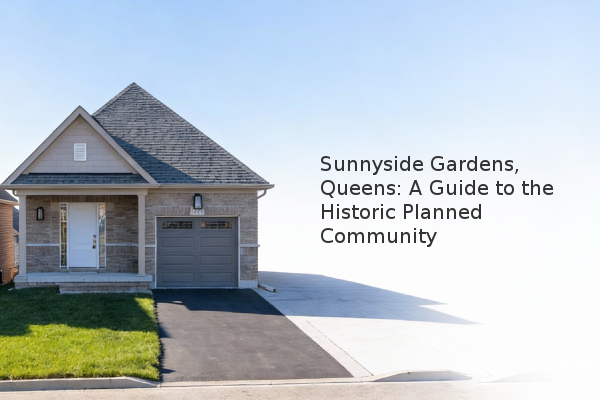
Sunnyside Gardens in Queens, New York, represents a unique chapter in American urban planning. Established in the 1920s, this historic district is renowned for its distinctive garden-style homes, shared green spaces, and a strong sense of community. For homebuyers and renters, it offers a tranquil, village-like atmosphere rarely found within New York City. This guide provides an objective overview of living in Sunnyside Gardens, covering its architecture, lifestyle, and key considerations.
The core appeal of Sunnyside Gardens lies in its design principles. Developed as a limited-equity cooperative for many of its properties, the community was intentionally created to provide quality, affordable housing for working-class families. A limited-equity cooperative is a housing model where residents own shares in the cooperative corporation that owns the building, rather than owning their individual unit outright. This structure often helps maintain affordability over time. The area is characterized by low-rise brick row houses, many with private rear gardens, and an innovative network of shared interior courtyards and parks that are accessible only to residents.
What is it Like to Live in Sunnyside Gardens Today? Life in Sunnyside Gardens is defined by its quiet, pedestrian-friendly streets and tight-knit community. The absence of through traffic on many interior blocks creates a safe environment for families. The shared green spaces, a hallmark of the community's design, foster interaction among neighbors. While the area feels secluded, it is exceptionally well-connected. The Sunnyside Yard and nearby subway lines, including the 7 train and Long Island Rail Road, provide straightforward access to Manhattan and other parts of Queens. The main commercial drags along Queens Boulevard and Greenpoint Avenue offer a variety of shops, restaurants, and services.
What are the Property Types and Considerations? The housing stock is predominantly made up of two-to-three-family row houses and garden apartments. A crucial factor for potential buyers is the ownership structure. A significant portion of the homes operate under the limited-equity cooperative model, which can impose restrictions on resale prices and subletting to preserve affordability. Other properties may be traditional freehold ownership, where the buyer owns the property and the land it sits on outright. Understanding the specific terms of the cooperative's proprietary lease or the deed for a freehold property is essential before purchasing. Maintenance of the shared landscapes and private gardens is an ongoing consideration for residents.
| Feature | Description | Consideration |
|---|---|---|
| Architecture | Primarily 2-3 story brick row houses with private gardens. | Low-maintenance exteriors but potential for older internal systems. |
| Ownership Model | Mix of Limited-Equity Co-ops and Freehold properties. | Co-ops have resale restrictions; review bylaws carefully. |
| Community Spaces | Extensive shared courtyards and parks. | Enhances quality of life but may involve monthly maintenance fees. |
What are the Financial and Practical Aspects? The unique nature of Sunnyside Gardens impacts its real estate market. Properties here can be less expensive on a per-square-foot basis compared to similar neighborhoods in Western Queens, largely due to the co-op restrictions. However, financing a co-op purchase can be different from a standard mortgage, often requiring a lower down payment but with stricter board approval processes. Property taxes for freehold homes are based on the assessed value of the property and land. Additionally, residents of co-op buildings pay a monthly maintenance fee that covers building upkeep, common area maintenance, and often underlying property taxes and mortgage on the entire building.
Are There Any Potential Drawbacks? The very features that define Sunnyside Gardens can also be limitations for some. The resale restrictions on co-op units, while ensuring affordability, mean homeowners may not realize the same level of market-rate appreciation as neighboring areas. The architectural uniformity and strict community guidelines may not appeal to those seeking a highly customizable home. Furthermore, the high demand and low turnover of properties mean available listings can be scarce.
In summary, based on our experience assessment, Sunnyside Gardens is a distinctive choice for those prioritizing community and green space over maximum investment returns. It is ideal for buyers who value a historic, stable neighborhood and understand the implications of a cooperative housing model. Key takeaways include: thoroughly reviewing the co-op or HOA rules, budgeting for monthly maintenance fees, and appreciating the unique, planned lifestyle the community offers.