Browse

Log in / Register
 Share
Share
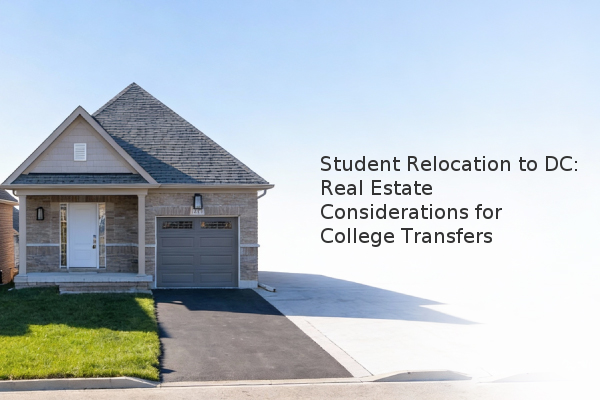
Relocating for college, as seen in recent high-profile moves to Washington, D.C., involves significant real estate planning, from understanding the local rental market to navigating housing logistics. For students transferring universities, the decision often hinges on securing appropriate housing in a new city. This article outlines the key real estate factors to consider when moving for academic purposes, using the current D.C. market as a benchmark.
What Are the Key Housing Options for Students in a New City? Students moving to a new city typically have three primary housing options: on-campus university housing, private off-campus rentals, or purchasing a property, often facilitated by family. Off-campus rentals, which include apartments and condominiums (or Condos, a form of legally subdivided property ownership within a larger building), are the most common choice for students seeking independence. In markets like Washington, D.C., this decision requires a clear understanding of lease terms, security deposits, and tenant rights. Based on our experience assessment, starting the housing search 2-3 months before the move is critical in competitive urban markets.
How Does a College Transfer Impact Local Real Estate Markets? The influx of students, particularly for universities with specialized programs, directly influences the local real estate market prices and rental vacancy rates. Areas surrounding campuses often see sustained demand for rental properties. For example, a 2023 study by the National Multifamily Housing Council noted that university towns consistently demonstrate lower rental vacancy rates than the national average. When a student population grows, landlords may adjust rental pricing accordingly, making early market research essential.
| Neighborhood Proximity to University | Average Monthly Rent for a 1-Bedroom Apartment (2024 Q1 Data) |
|---|---|
| Within 1 mile | $2,800 - $3,400 |
| 1 to 3 miles | $2,200 - $2,800 |
| Greater than 3 miles | $1,900 - $2,500 |
What Should You Know About the Rental Process in a New State? The real estate transaction process for renting varies by state and municipality. In Washington, D.C., tenants are protected by specific regulations, such as limits on security deposits and rules governing property transfer taxes (a levy imposed by local governments when a property's title is transferred from one owner to another, which typically does not apply to standard rentals). It is vital to review the lease agreement thoroughly, understand the landlord's responsibilities for maintenance, and know the procedures for reporting issues. Credible sources for this information include the official D.C. Department of Buildings website.
What are the Long-Term Financial Considerations? While renting is the immediate solution for a multi-year academic program, some families may evaluate the long-term financial implications of purchasing a property. This involves assessing mortgage lending rates, property tax (an annual levy on owned real estate by the local government) obligations, and the potential for property appreciation. However, for most students, the flexibility of a lease agreement is more practical than the commitment of a purchase.
Navigating a college-related move requires a strategic approach to housing. Key steps include beginning your housing search well in advance, thoroughly researching the specific rental laws in your new city, and carefully budgeting for rent and associated living expenses. By focusing on these actionable areas, students and their families can make informed real estate decisions that support a successful academic transition.