Browse

Log in / Register
 Share
Share
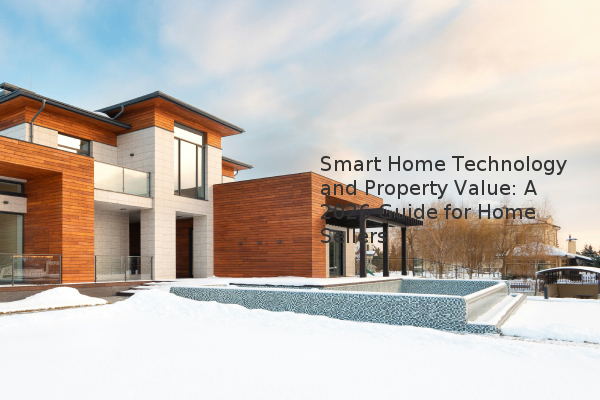
Integrating smart home technology can influence a property's appeal and final sale price, but the return on investment varies. Based on industry data, these upgrades can help a home sell faster and may increase its value by up to 5%. However, the financial return is not as guaranteed as with traditional renovations like kitchen updates. The key is to strategically invest in features that modern buyers value most, such as energy-efficient and security-focused devices.
The profile of the typical home buyer is evolving. In 2026, buyers are increasingly looking for properties that offer both convenience and efficiency. While not yet a standard feature in most listings, smart home technology is becoming a significant differentiator. Buyers are often captivated by integrated systems that offer seamless control over a home's environment. Key features that attract attention include AI-supported security cameras, smart thermostats, and high-quality smart appliances. Beyond convenience, there is a growing demand for sustainable features. Properties with solar panels, EV charging stations, and intelligent lighting systems are often perceived as more modern and cost-effective to maintain, making them highly attractive in the current market.
The financial impact of smart home technology is a primary consideration for sellers. The initial investment can be substantial. For a basic whole-home automation system, homeowners can expect to pay between $2,000 and $4,000, with costs rising significantly for more complex integrations. According to recent assessments, these upgrades can increase a property's resale value by up to 5%. This potential boost, however, is highly dependent on the local market and the buyer demographic. In areas with tech-savvy buyers, a smart home can stand out, potentially shortening the time on the market and allowing it to command a higher price. It is crucial to understand that the return on investment (ROI) for high-tech items is less predictable than for traditional home improvements.
A common dilemma for sellers is deciding which smart devices to include in the sale. The general rule is that appliances that are built-in or integrated into the home's systems are expected to remain. This includes smart ovens, integrated refrigerators, and in-wall HVAC systems. Removing these fixed appliances can discourage potential buyers or require you to budget for replacements, negatively affecting the home's salability. On the other hand, freestanding smart devices like washing machines, dryers, and televisions typically do not impact the home's attractiveness if removed. To avoid any confusion or legal issues during the closing process, it is essential to specify in the purchase contract exactly which items are included in the sale.
To maximize the benefits of your smart home technology, focus on upgrades that enhance energy efficiency and security, as these offer the most universal appeal. Always clearly document which appliances are included in the sale to ensure a smooth transaction.