Browse

Log in / Register
 Share
Share
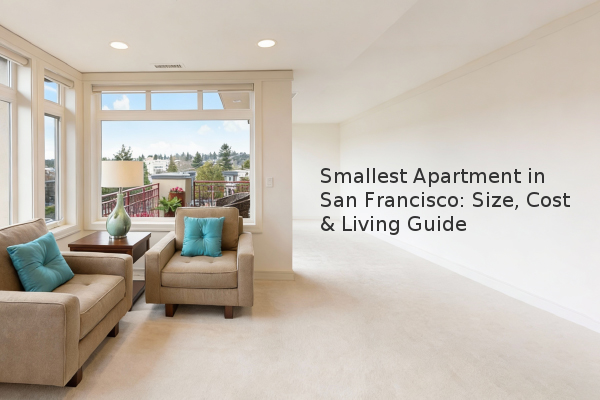
The smallest apartments in San Francisco, often called micro-studios or efficiency apartments, typically range from 220 to 300 square feet. Renting one of these compact units involves significant trade-offs, primarily trading space for a lower rental cost in an exceptionally expensive market, with average monthly rents between $1,800 and $2,800 as of 2024. This guide provides an objective analysis of what to expect, from legal size requirements to the practicalities of compact living.
In San Francisco, the smallest legally habitable rental units are micro-units. The city's building code sets minimum requirements for a dwelling unit, which influence how small an apartment can be. A key regulation is that a habitable room (like a main living space) must be at least 70 square feet with a minimum dimension of 7 feet. While there is no absolute city-wide minimum square footage for an entire apartment, most newly constructed micro-units are designed to be at least 220 square feet to accommodate a functional kitchenette and bathroom. These units are a specific housing type designed for single occupants, maximizing every inch of space with built-in furniture and multi-functional layouts.
While significantly cheaper than a standard one-bedroom apartment, the price per square foot in a San Francisco micro-unit is often higher. The following table breaks down the typical cost structure for a 250-square-foot micro-studio compared to a standard 600-square-foot studio.
| Feature | Micro-Studio (approx. 250 sq ft) | Standard Studio (approx. 600 sq ft) |
|---|---|---|
| Average Monthly Rent | $1,800 - $2,800 | $2,400 - $3,500 |
| Average Price per Sq Ft | ~$10.00 | ~$5.00 |
| Typical Security Deposit | Often one month's rent | Often one month's rent |
| Common Utilities | Sometimes included | Usually paid separately |
The primary financial advantage is the lower absolute rent, which can make living in a desirable neighborhood more accessible. However, it's crucial to budget for the higher cost per square foot and assess what utilities, if any, are included in the rental price.
Choosing a micro-apartment requires a clear-eyed evaluation of the lifestyle trade-offs.
Potential Advantages:
Key Challenges:
If you are considering a micro-apartment, a thorough evaluation is essential. Measure your largest furniture pieces before touring units to ensure they will fit. Inspect the storage solutions critically—are there sufficient closets, shelves, or built-ins? Test the cell phone reception and internet connectivity options, as these are vital for modern living. Finally, assess the natural light and ventilation, as a well-lit unit will feel larger and more comfortable.
To successfully adapt to living in the smallest apartment in San Francisco, consider these practical steps:
Living in one of San Francisco's smallest apartments is a strategic choice for individuals prioritizing location and affordability over square footage. Success hinges on realistic expectations, meticulous planning, and a willingness to adopt a minimalist, efficient lifestyle. Carefully weigh the financial savings against the spatial limitations to determine if this unique housing option aligns with your personal and practical needs.