Browse

Log in / Register
 Share
Share

Your Salt Lake City zip code is one of the most significant factors determining property values and lifestyle in 2026. While the overall SLC market remains competitive, data shows a pronounced price disparity between neighborhoods, with some zip codes commanding premiums of over 60% compared to others. This guide provides an objective analysis of how each major SLC zip code influences real estate prices, property taxes, and community amenities, empowering you to make an informed location decision based on current market dynamics.
A zip code, a system of postal codes used by the United States Postal Service (USPS), has evolved into a critical marker in real estate. It helps define neighborhood boundaries, school districts, and access to local amenities. For home buyers and investors, a zip code directly correlates with Property Tax rates—the annual tax levied on the assessed value of real estate by local governments—and perceived desirability. In Salt Lake City, the zip code can be a more reliable indicator of a property's market position than the listing description itself.
The following table illustrates the stark contrasts across Salt Lake City's real estate landscape. The data, compiled from Q1 2026 market reports, reflects median sales prices for single-family homes.
| SLC Zip Code | Neighborhood Area(s) | Approx. Median Home Price (Q1 2026) |
|---|---|---|
| 84103 | The Avenues, Capitol Hill | $1,250,000 |
| 84108 | East Bench, Federal Heights | $1,100,000 |
| 84105 | Central City, Liberty Wells | $750,000 |
| 84106 | Sugar House | $950,000 |
| 84115 | Glendale, Poplar Grove | $550,000 |
| 84116 | Rose Park | $520,000 |
| 84119 | West Valley City (adjacent) | $485,000 |
As evident, zip codes 84103 and 84108, encompassing the foothill neighborhoods, continue to hold a substantial premium due to their proximity to natural amenities, historic architecture, and highly-rated schools. Conversely, areas like 84115 and 84116 offer more accessible entry points into the SLC market.
A higher home price in a desirable zip code often translates to a higher annual Property Tax bill, as the tax is based on the assessed value. However, this investment typically grants access to superior public services, well-maintained parks, and lower crime rates. For example, communities in the 84108 zip code benefit from significant public investment in infrastructure. When evaluating a zip code, potential buyers should research the total cost of ownership, which includes these recurring taxes, not just the mortgage payment.
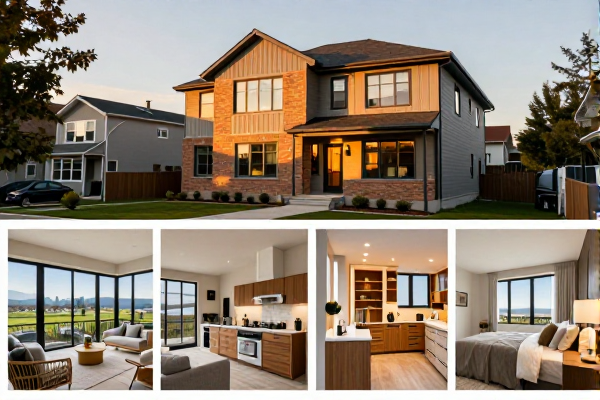
Your choice should extend beyond the price per square foot. Consider your daily life: a zip code like 84104 (Downtown) offers unparalleled walkability and access to cultural events, ideal for professionals. In contrast, 84117 (Millcreek) provides a more suburban feel with larger lots, better suited for families. Commute times can vary dramatically; traffic patterns from the western zip codes (84116, 84119) into the central business district can add significant time to a daily drive. Always factor in your lifestyle needs and long-term plans.
In summary, selecting the right SLC zip code requires balancing budget with lifestyle preferences. The data confirms that location remains the paramount driver of value in the Salt Lake City housing market. Prospective buyers are advised to thoroughly research recent sales data within their preferred zip codes and physically visit neighborhoods at different times of the day. This due diligence ensures your chosen location aligns with both your financial goals and your desired quality of life in 2026.