Browse

Log in / Register
 Share


Slate Apartments represent a modern class of rental properties, typically characterized by their upscale amenities, contemporary design, and premium locations in urban or developing suburban areas. For prospective tenants, understanding what defines these buildings, the associated costs, and the application process is crucial for making an informed rental decision. This guide provides a comprehensive, objective overview based on current market trends.
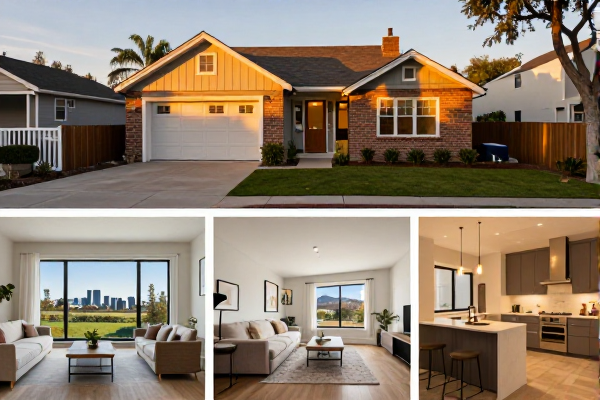
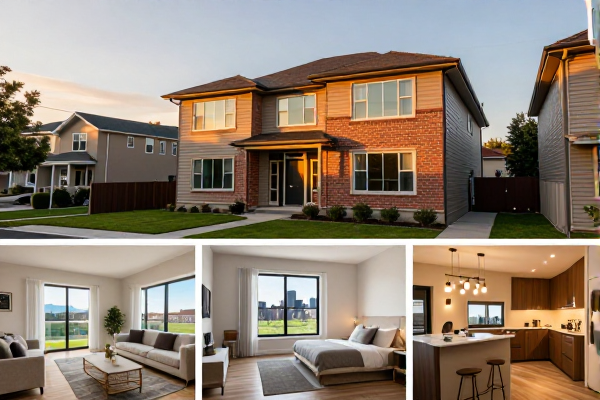
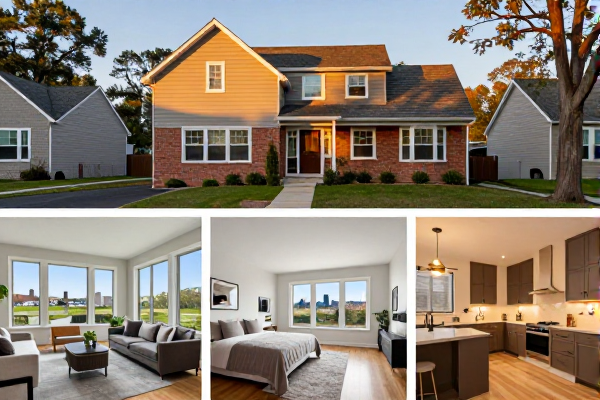
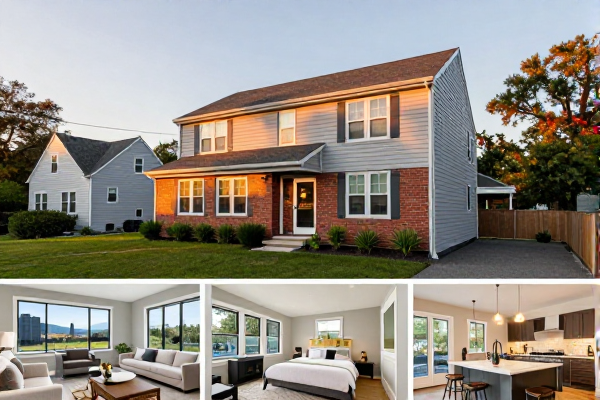
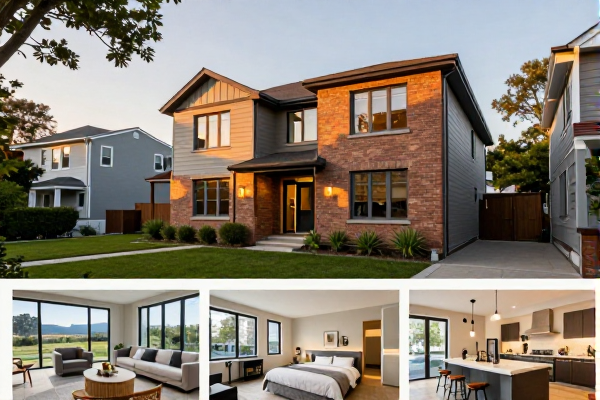
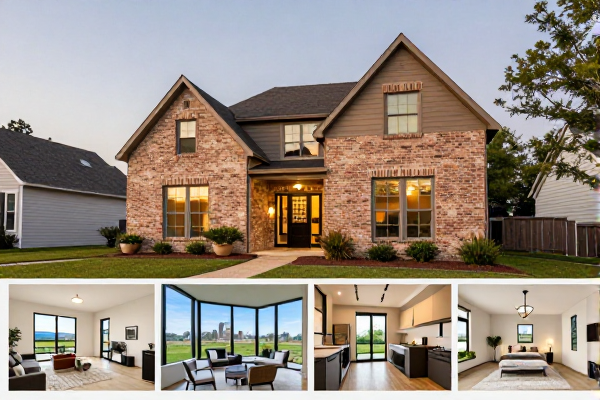
What Defines a Slate Apartment? The term "Slate Apartments" often refers to a branding style for newer residential complexes that emphasize a sleek, modern aesthetic, frequently utilizing materials like dark exterior finishes and natural stone—hence the "slate" moniker. These properties are generally part of larger, professionally managed communities. Key features often include high-end finishes like stainless steel appliances, quartz countertops, and smart home technology. The appeal lies in a turnkey lifestyle, where maintenance and amenities are handled by management. It's important to note that "Slate" is not a standardized classification but a marketing term used by various developers, so the specific offerings will vary by property.
Typical Amenities and Lifestyle Considerations The amenity package is a significant differentiator for Slate Apartments. Beyond in-unit features, common area amenities are designed for convenience and community living. You can typically expect:
When evaluating these amenities, consider your actual usage. While attractive, they contribute to the overall rental cost. A practical assessment can help you determine if the premium is justified for your lifestyle.
| Common Amenity | Practical Consideration |
|---|---|
| Rooftop Terrace | How often will you use it? Consider seasonal weather. |
| 24/7 Fitness Center | Does it replace an existing gym membership, saving you money? |
| Co-working Space | Is it quiet and conducive to productivity, or more social? |
Understanding the Full Cost of Renting The monthly rent is only one component of the total cost. When budgeting for a Slate Apartment, you must account for additional fees. Tenants are typically responsible for utilities such as electricity, gas, and internet, though water and trash may be included. A critical upfront cost is the security deposit, which often equals one month's rent. Many properties also charge non-refundable application and administration fees ranging from $50 to $200. You should also inquire about monthly add-ons like reserved parking ($50-$150/month), pet rent ($25-$50/month per pet), and valet trash services ($25-$35/month). Always request a full fee schedule from the leasing office before applying.
The Application and Approval Process The rental application process for these professionally managed buildings is usually streamlined but rigorous. Be prepared to provide documentation proving your income, employment, and rental history. Most management companies require a gross monthly income that is three times the monthly rent. They will also conduct a credit and background check. Having your documents organized—including pay stubs, bank statements, and photo identification—can expedite the process. If you are a first-time renter or have a lower credit score, you may be asked to provide a co-signer or pay a higher security deposit.
Key Questions to Ask Before Signing a Lease Before committing, gather specific information to avoid surprises. Essential questions include:
In summary, Slate Apartments offer a modern, amenity-rich living experience that comes at a premium cost. The decision to rent one should be based on a careful evaluation of your budget, lifestyle needs, and long-term plans. Prospective tenants should thoroughly review the lease agreement, budget for all potential fees beyond the base rent, and personally assess if the high-end amenities align with their daily routine to ensure the property is a good fit.