Browse

Log in / Register
 Share

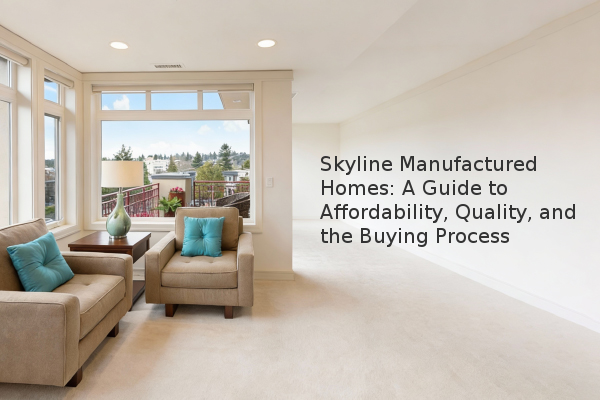
Skyline Manufactured homes represent a significant segment of the U.S. housing market, offering a blend of affordability and modern living. Built in a controlled factory environment and transported to their final site, these homes provide a viable path to homeownership. The core appeal of Skyline manufactured homes lies in their cost-effectiveness, consistent quality control, and the variety of models available, making them a practical consideration for first-time buyers, retirees, and investors seeking rental property options. This guide examines the key aspects of purchasing and owning one.
What is a Skyline Manufactured Home and How Does it Differ from a Traditional House? A manufactured home is a dwelling that is entirely constructed in a factory on a permanent steel chassis. Once completed, it is transported in sections to a home site. This method of construction differs significantly from traditional site-built homes, which are constructed piece-by-piece on a permanent foundation. The primary advantage of factory building is rigorous quality control, as the home is protected from weather delays during construction. It is crucial to understand that a modern manufactured home is not the same as a mobile home, a term for units built before June 15, 1976, which predate the federal HUD Code safety standards. Skyline homes are built to these stringent federal codes, ensuring safety and durability.
What Are the Primary Advantages of Choosing a Skyline Manufactured Home? The most compelling advantage is affordability. The cost per square foot of a Skyline manufactured home is typically substantially lower than that of a site-built home, making homeownership accessible to a wider range of budgets. This cost savings extends beyond the initial purchase price. Factory construction is highly efficient, reducing material waste and labor costs. Furthermore, the construction timeline is more predictable and often faster than traditional building. Another key benefit is energy efficiency; many newer Skyline models are built with advanced insulation and energy-star rated appliances, leading to lower long-term utility bills for the homeowner.
| Feature | Skyline Manufactured Home | Typical Site-Built Home |
|---|---|---|
| Average Cost per Sq. Ft. | Significantly Lower | Higher |
| Construction Time | Weeks to a Few Months | Several Months to a Year |
| Construction Quality Control | High (Controlled Factory) | Variable (Exposed Site) |
| Customization After Design | Limited | Extensive |
| Foundation | Often placed on a rented lot | Permanent, owned land |
What Should You Consider During the Buying Process? Purchasing a Skyline manufactured home involves unique considerations. The first major decision is land: will you place the home on land you own, or will you rent a space in a manufactured home community? Owning your land provides more autonomy but requires securing utilities and permits. Renting a lot offers community amenities but involves monthly lot rent. Financing is another critical area; while traditional mortgages are for site-built homes, manufactured homes are often financed through a personal property loan or a specialized FHA Title I loan. It is also essential to secure title insurance specific to manufactured homes, which protects your ownership claim against defects.
How Can You Ensure a Smart Investment and Avoid Common Pitfalls? A thorough inspection is non-negotiable. Hire a qualified inspector experienced with manufactured homes to check for transportation damage, plumbing, electrical systems, and structural integrity. Research the property tax implications, as they can vary depending on whether the home is considered personal or real property. If placing the home in a community, carefully review the park's rules and regulations, as they can dictate everything from pet policies to home appearance. Based on our experience assessment, potential buyers should prioritize verifying the home's HUD data plate, which confirms its compliance with federal standards, and thoroughly researching the reputation of the retailer and installation crew.
In summary, a Skyline manufactured home can be an excellent housing solution when approached with due diligence. Key takeaways include understanding the fundamental differences from traditional housing, recognizing the significant cost advantages, and meticulously navigating the financing and site-selection process. By focusing on a professional inspection and clarifying all costs associated with land and community living, buyers can make an informed decision that aligns with their financial and lifestyle goals.