Browse

Log in / Register
 Share

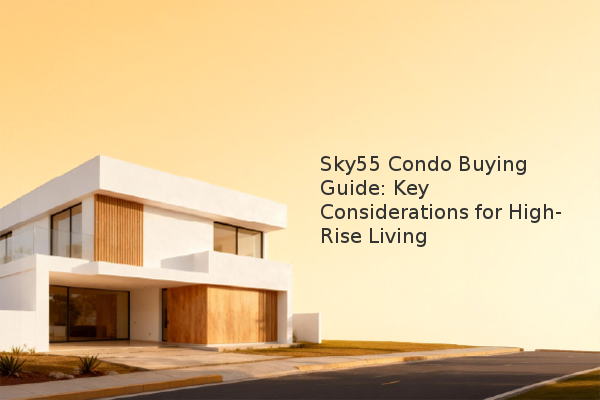
Purchasing a unit in a high-rise condominium like those in the Sky55 style of development requires a specific set of considerations distinct from buying a single-family home. The core decision hinges on evaluating the trade-offs between premium amenities, potential restrictions, and monthly costs. This guide outlines the essential factors, from understanding homeowners association (HOA) rules to assessing building financial health, to help you make an informed investment.
What Are the Financial Implications Beyond the Purchase Price?
The sale price is just the beginning. When you buy a condominium, you become responsible for a monthly HOA fee. This fee covers shared expenses like building insurance, maintenance of common areas (lobbies, gyms, pools), security, and utilities for these spaces. It is critical to request the HOA's budget and reserve study. A reserve study is a professional analysis that determines if the HOA has adequate savings for major future repairs, such as a new roof or elevator modernization. A poorly funded HOA could lead to a special assessment—a large, one-time fee charged to all owners—if an unexpected expense arises. Additionally, you must factor in your mortgage, property taxes, and personal property insurance, which is different from the master policy held by the HOA.
How Do HOA Rules and Regulations Impact Your Lifestyle?
The HOA covenants, conditions, and restrictions (CC&Rs) are legally binding rules that govern life in the building. Before committing, you must thoroughly review these documents. They may include restrictions on pet ownership (size, breed, number), rental policies (whether you can lease your unit, and for how long), and noise ordinances. Some buildings have rules about window treatments or balcony decorations to maintain a uniform exterior appearance. For a high-rise like Sky55, specific rules about moving-in hours and elevator usage are common. Understanding these CC&Rs is non-negotiable to ensure your desired lifestyle aligns with the building's regulations.
| Consideration | High-Rise Condo (e.g., Sky55-style) | Single-Family Home |
|---|---|---|
| Maintenance | Exterior and common areas managed by HOA | Homeowner responsible for all upkeep |
| Amenities | Access to shared pools, gyms, concierge | Typically limited to private yard |
| Monthly Cost | Mortgage + HOA Fees + Property Tax | Mortgage + Property Tax + Utilities |
| Privacy & Control | Shared walls, governed by CC&Rs | Greater autonomy and privacy |
What Should You Look for in a Building's Construction and Location?
The quality of construction directly affects your living experience. Inquire about the building materials, soundproofing between units, and the age of critical systems like HVAC. A unit on a higher floor may offer better views but consider potential wait times for elevators. The location is paramount. Evaluate proximity to work, public transportation, shopping, and entertainment. For a high-rise, also assess the neighborhood's walkability and the availability of parking, whether you own a deeded space or rely on guest parking. Research any future development planned nearby, as a new construction project could obstruct your view for years.
Making a Confident Purchase Decision
A successful high-rise condo purchase is based on due diligence. Always review the HOA's financial health and CC&Rs before making an offer. Work with a real estate agent experienced in condominium transactions who can help you navigate these documents. Attend an HOA meeting if possible to get a feel for the community dynamics. By meticulously evaluating the financial obligations, lifestyle rules, and physical attributes of a Sky55-style building, you can determine if the vertical living experience is the right fit for your long-term goals.