Browse

Log in / Register
 Share

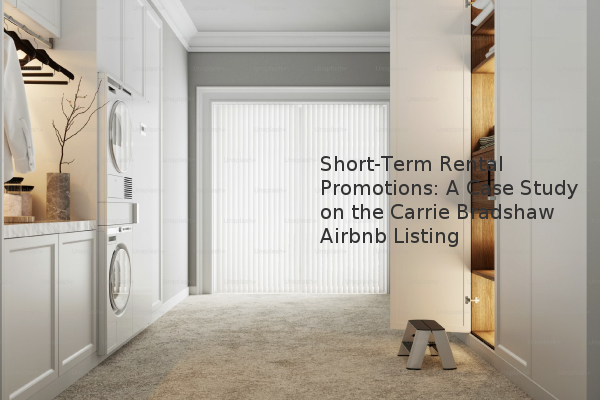
Short-term rental promotions, when executed creatively, can generate significant media value and public interest, often exceeding traditional marketing returns. A prime example is the 2026 Carrie Bradshaw-themed Airbnb listing, a promotional stunt that demonstrated the power of pop culture partnerships in real estate marketing. This article analyzes the strategic elements of this campaign and its implications for property owners and marketers, focusing on the tangible benefits of such innovative approaches.
What Was the Strategic Goal of the Carrie Bradshaw Airbnb Promotion?
The primary objective was brand association and experiential marketing, not direct rental income. By recreating a iconic television set, the promotion leveraged nostalgia and fandom to create a global news event. The symbolic rental price of $23 per night, a reference to the show's history, underscored that revenue generation was secondary to generating press coverage and social media engagement. For property professionals, this highlights an alternative marketing model: the value of an asset can be amplified through strategic, high-profile partnerships that enhance its cultural cachet, a concept known as brand equity (the commercial value derived from consumer perception of the brand name). Based on our experience assessment, the media value from such coverage often surpasses the cost of staging and lost rental income.
How Can Themed Staging Influence Perceived Property Value?
The meticulous recreation of Carrie Bradshaw's apartment served as a masterclass in themed staging (the practice of decorating a property to evoke a specific, highly recognizable theme or narrative). Key elements like the blue closet wall, the vintage laptop, and the iconic tutu were not merely decorative; they created an immersive experience. This approach demonstrates that powerful staging transcends generic decluttering and can create a strong emotional connection with a potential audience. For sellers or landlords, this suggests that investing in narrative-driven staging can differentiate a property in a competitive market, potentially increasing its perceived value and shortening its time on the market. The goal is to help potential buyers or renters visualize not just living in a space, but living a particular lifestyle.
What Are the Practical Takeaways for Real Estate Marketing?
The success of this campaign offers several actionable insights. First, creative collaborations with recognizable brands or cultural touchstones can provide a substantial marketing boost. Second, limited availability—such as the two one-night stays—creates scarcity and urgency, driving demand. Finally, the campaign generated its own visual content (photos of the staged apartment) which was then widely shared, providing free advertising. Property owners should consider how to create shareable moments around their listings. The key lesson is that marketing a property is not just about listing features; it's about telling a compelling story.
Conclusion
While most property transactions will not involve virtual greetings from celebrities, the core principles of this promotion are widely applicable. Focus on creating a unique narrative, leverage emotional connections through strategic staging, and consider partnerships that can expand your reach. These strategies can be adapted to various scales, from a single-family home to a large development project, to maximize visibility and appeal in the 2026 market.