Browse

Log in / Register
 Share

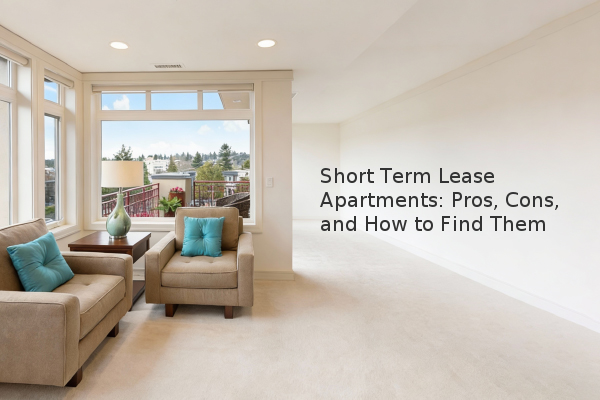
Short-term lease apartments, typically defined as rental agreements for less than one year, offer significant flexibility but often come with a higher monthly cost. This arrangement is ideal for individuals in transitional life stages, such as relocating for a job, undergoing home renovations, or testing a new city. Based on our experience assessment, understanding the trade-offs between flexibility and price is crucial for making an informed decision.
What is a Short-Term Lease? A short-term lease is a rental agreement for a duration shorter than the standard 12-month lease. Common examples include month-to-month agreements, 3-month, or 6-month leases. The key feature is flexibility, but landlords often mitigate their risk of frequent tenant turnover by charging a premium. This premium is usually reflected in a higher monthly rent compared to a longer lease for the same unit.
The Advantages of a Short-Term Rental The primary benefit of a short-term apartment lease is unparalleled flexibility. You are not locked into a long-term commitment, which is perfect for uncertain situations. For example, if you are waiting for a new home to be built or are in a temporary work assignment, a short-term rental provides a comfortable solution without the burden of a year-long contract. This setup also allows you to "test drive" a neighborhood before committing to a longer stay.
Potential Drawbacks to Consider The main disadvantage is cost. Landlords incur expenses each time a unit turns over, so they price short-term leases higher to compensate. You might pay 10-20% more per month than a tenant signing a standard one-year lease. Furthermore, your options may be limited. Many property management companies prefer the stability of long-term tenants, so the inventory of available short-term units is often smaller. There is also less incentive for a landlord to address non-urgent maintenance requests if you are only staying for a few months.
| Lease Type | Typical Duration | Pros | Cons |
|---|---|---|---|
| Short-Term Lease | 1-6 Months | Maximum flexibility, no long-term commitment | Higher monthly rent, limited availability |
| Medium-Term Lease | 7-11 Months | More stability than short-term, potentially lower cost | Fewer options than standard leases |
| Standard Lease | 12 Months | Lowest monthly cost, greatest rental security | Legal and financial commitment for a full year |
How to Find a Short-Term Lease Apartment Locating these rentals requires a targeted approach. Be explicit in your search queries; use terms like "short-term lease," "month-to-month," or "flexible lease terms." While searching, you may encounter corporate housing, which are fully furnished apartments designed for temporary stays, though they are often priced at a significant premium. Always inquire about utilities—what is included (e.g., water, trash) and what you are responsible for (e.g., electricity, internet)—as this affects your total monthly cost.
Key Questions to Ask Before Signing Before committing, clarify the terms of the agreement. Ask about the policy for converting to a long-term lease if your plans change. Understand the specific costs, including the security deposit and any non-refundable fees. Crucially, confirm the move-out notice period required by the lease, which is often 30 days but can vary. This ensures you avoid any surprises or financial penalties when your transitional period ends.
In summary, short-term leases provide a valuable housing solution for those needing flexibility. The key takeaways are to budget for a higher monthly rent, start your search early due to limited inventory, and carefully review the lease terms to understand all costs and notice requirements. This approach allows you to leverage the benefits of a short-term rental while minimizing its potential drawbacks.