Browse

Log in / Register
 Share

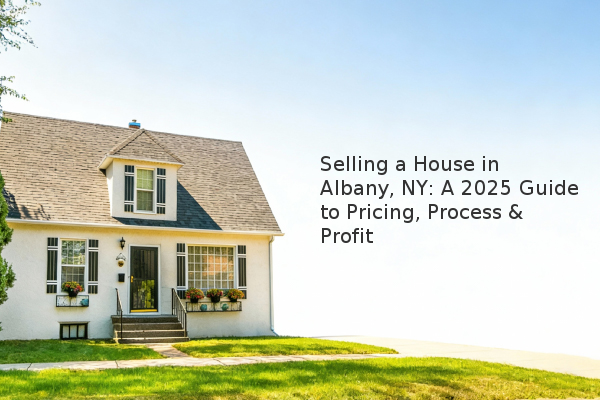
Selling a house in Albany, NY, requires a strategic approach to navigate the local market's unique dynamics. The core to a successful and profitable sale in 2025 lies in three key areas: conducting a precise comparative market analysis (CMA), understanding mandatory state disclosure laws, and effectively marketing the Capital Region property. This guide provides a factual overview of the entire process, from initial preparation to closing.
A comparative market analysis (CMA) is a report that compares your home to similar properties recently sold, currently on the market, or that failed to sell in the Albany area. It is the cornerstone for setting a competitive listing price. According to recent market data, correctly priced homes in desirable Albany neighborhoods like Pine Hills or Center Square are moving efficiently. Overpricing can lead to a property stagnating on the market, while underpricing leaves money on the table.
The first step is a pre-listing inspection and necessary repairs. Beyond a CMA, a seller should consider a professional home inspection to identify any potential issues upfront. Addressing major concerns, such as an aging roof or outdated electrical systems, before listing can prevent negotiations from falling through later. Focus on high-impact, low-cost improvements like a fresh coat of neutral paint, deep cleaning, and enhancing curb appeal—the attractiveness of a property's exterior when viewed from the street. This preparation minimizes surprises and builds buyer confidence.
New York State law requires sellers to complete a Property Condition Disclosure Statement. This legally mandated document asks specific questions about the home’s condition, including the presence of lead paint, known structural defects, and the status of the plumbing and heating systems. Failing to provide this disclosure or knowingly falsifying information can lead to significant legal and financial penalties. It is crucial to be thorough and honest. Based on our experience assessment, transparent sellers often experience smoother transactions.
| Common Albany-Specific Disclosures | Description |
|---|---|
| Radon Gas | Albany County has a potential for radon. Testing is recommended. |
| Old Home Features | Many Albany homes have historical elements; their condition must be disclosed. |
| Flood Zone Information | Disclosure is required if the property is in a designated flood zone. |
Once the home is prepared and priced, marketing begins. High-quality photography, virtual tours, and listing on major real estate platforms are standard. In a balanced market, expect to receive offers within the first few weeks. When evaluating an offer, look beyond the price. Consider the buyer's financing (a pre-approval letter is stronger than a pre-qualification), proposed closing timeline, and contingencies—clauses that allow the buyer to back out under specific conditions, like a failed inspection. A lower offer with a strong financial backing and fewer contingencies is often more secure than a higher, riskier one.
The final stage is the closing process, which in New York is typically handled by an attorney. The seller’s costs often include the real estate agent’s commission, New York State transfer tax (a fee imposed by the state on the transfer of real property ownership), and attorney fees. The goal is to reach the closing table where ownership is legally transferred to the buyer.
To maximize your profit when selling a house in Albany, focus on accurate pricing based on a CMA, complete all mandatory disclosures honestly, and strategically evaluate offers based on their overall strength, not just the sale price. Understanding these key elements will provide a predictable framework for a successful transaction in the Capital Region market.