Browse

Log in / Register
 Share
Share
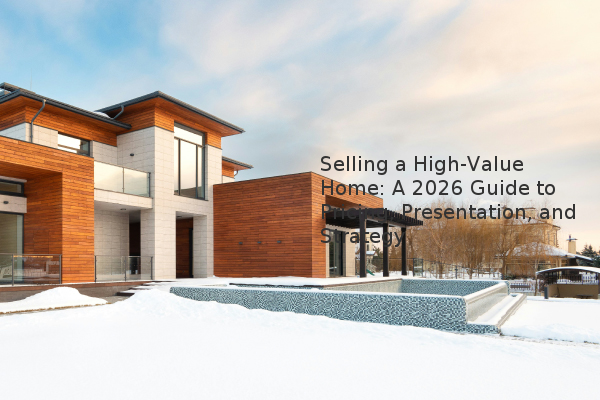
Selling a luxury property requires a strategic approach distinct from the standard market. The core considerations for a successful high-value home sale in 2026 involve a precise pricing strategy based on a Comparative Market Analysis (CMA), professional staging and marketing that highlight unique features, and a clear understanding of the target buyer's motivations. This guide outlines the essential steps to navigate this specialized segment of the real estate market effectively.
The most critical first step is obtaining a professional Comparative Market Analysis (CMA). A CMA is a report that compares your property to similar homes that have recently sold, are currently on the market, or failed to sell in your specific area. Unlike automated valuation models (AVMs) found online, a CMA conducted by an experienced agent accounts for unique features, view quality, architectural significance, and lot prestige. For instance, a Beverly Hills estate with city views and a writer's studio requires comparisons to properties with similar amenities, not just similar square footage. Based on our experience assessment, an accurately priced home attracts serious buyers and can often sell closer to the asking price, while an overpriced listing may stagnate.
Preparation goes beyond basic decluttering. It involves professional staging to help potential buyers envision the lifestyle the property offers. High-quality photography and videography, including drone footage to capture the scale of the land and views, are non-negotiable. Marketing should target specific channels, such as luxury real estate portals and networks, to reach a qualified audience. Emphasizing unique amenities—like a Roman pool, a dedicated writer's tower, or approvals for a new construction project designed by a renowned architect—can significantly elevate the property's perceived value. The narrative should focus on the lifestyle and potential, whether it's a move-in-ready oasis or a prime opportunity for a custom build.
Understanding the buyer profile is key to tailoring your strategy. The target buyer for a multi-million dollar property is often someone valuing privacy, unique features, and a turnkey experience or significant development potential. They may be attracted to a gated estate for security or a beachfront lot for its location. In some cases, the land itself can be the primary asset, especially if it has pre-approved plans for a new structure from a respected architect. This appeals to buyers looking to build their dream home without the lengthy approval processes. Recognizing whether you are selling a finished product or a blank canvas is crucial for effective communication.
The following table outlines key considerations for different types of luxury properties:
| Property Type | Key Selling Points | Potential Buyer Motivation |
|---|---|---|
| Move-in Ready Estate | High-end finishes (e.g., Miele/Viking appliances), smart home systems, resort-like amenities (pool, spa). | Desire for a luxurious, immediate lifestyle with minimal effort. |
| Property with Development Potential | Pre-approved architectural plans, large lot size, desirable location. | Opportunity to customize and build a unique home, often seen as an investment. |
| Vacation Home | Prime location (e.g., beachfront, ski-in/ski-out), specific aesthetic (e.g., Cape Cod style), rental income potential. | Secondary residence for personal use and/or investment income. |
A seller's motivation can influence the sale strategy but should not be the focal point of the marketing. While a busy professional might be selling due to time constraints, leading to a desire for a efficient process, the public narrative should remain centered on the property's inherent value. Transparency with your real estate agent about your timeline and goals allows them to craft a strategy that meets your needs while presenting the property in the best possible light to the market.
To maximize your success when selling a high-value home, focus on three actionable steps: First, invest in a professional CMA to establish a competitive and realistic asking price. Second, allocate resources for high-quality staging and marketing materials that tell a compelling story. Finally, work with an agent who has proven experience in your specific market segment and price point. This approach positions your property to attract qualified buyers and achieve a successful sale in the 2026 market.