Browse

Log in / Register
 Share
Share

For homeowners with a century-old property, strategic renovations that balance historical charm with modern functionality can significantly increase resale value. Based on an assessment of a successful early 1900s home sale, the most effective updates involve preserving original character while making targeted upgrades. The key is to invest in changes that highlight the home's unique history and address the practical needs of today's buyers, ultimately leading to a strong return on investment.
Buyers seeking century-old homes are primarily attracted to authentic historical character. Features like original millwork—the decorative woodwork on baseboards, doors, and window trim—are highly desirable. If these elements have been removed over time, it is often worthwhile to have them professionally re-created. In the assessed project, reinstating this millwork was a critical factor in appealing to buyers who value craftsmanship. Preserving or expertly replicating period-specific details reinforces the home's unique story and aesthetic appeal, which is a major selling point that distinguishes it from newer constructions.
Not every update made to an old home in recent decades needs to be removed. The goal is to evaluate each addition based on its functionality and potential to blend with the home's classic style. For example, well-built cabinetry from a 2000s-era kitchen can be repurposed. By painting it a neutral color and staging it as a dining area, the cabinets transition from a dated feature to valuable storage space. The decision to keep or remove previous updates should be based on their current utility and the cost to replace them versus the cost to integrate them aesthetically.
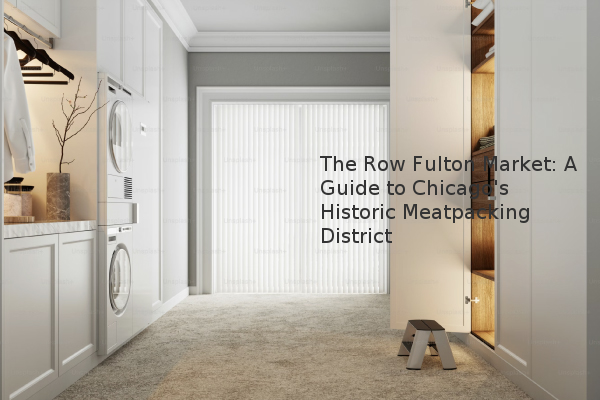
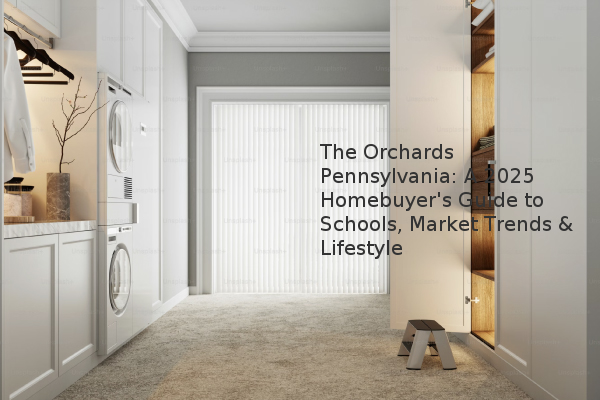
While charm is critical, functionality is non-negotiable for modern buyers. A key area for improvement in older homes is often the laundry facilities. What may have sufficed decades ago is now considered inadequate. Expanding a small laundry closet into a full, dedicated laundry room is an upgrade that meets contemporary expectations. Adding functional square footage for essential tasks like laundry directly addresses a common drawback of older homes and is a high-impact renovation. This type of upgrade signals to buyers that the home has been thoughtfully modernized for comfortable living.
During renovations, original materials like exposed wood framing can be uncovered. Instead of concealing them, these elements can be transformed into design features. Sanding the wood, applying a clear protective coat, and adding practical elements like hooks can turn a wall into a rustic focal point. Highlighting original structural materials in new spaces, such as a laundry room, creates a tangible connection to the home's history and adds character that cannot be replicated in new builds.
The presence of a bathroom on the same level as the bedrooms is a significant advantage in an old home. Many century-old properties have bathrooms only on the ground floor. A second-floor bathroom, even if it is a half-bath with just a toilet and sink, is a major selling point. Updating the flooring and vanity to feel fresh and clean is sufficient; adding a shower may not be necessary. A well-placed bathroom enhances the home's livability and is a key feature that buyers actively look for.
The ultimate test of any pre-sale renovation is the market's response. In the case assessed, a strategic investment of $130,000 into a home initially valued at $400,000 resulted in a final sale price of $565,000. This demonstrates that a carefully planned approach can generate a substantial profit. The success hinged on a clear strategy: enhance historical appeal while ensuring the home meets modern standards for convenience.
To maximize your return when selling an older home, focus on cosmetic restorations that highlight its era, integrate useful existing updates, and invest in key functional upgrades. Avoiding a full-gut renovation and instead making targeted changes is often the most financially sound path. The final sale price will reflect the careful balance between preserving the past and accommodating the present.