Browse

Log in / Register
 Share
Share
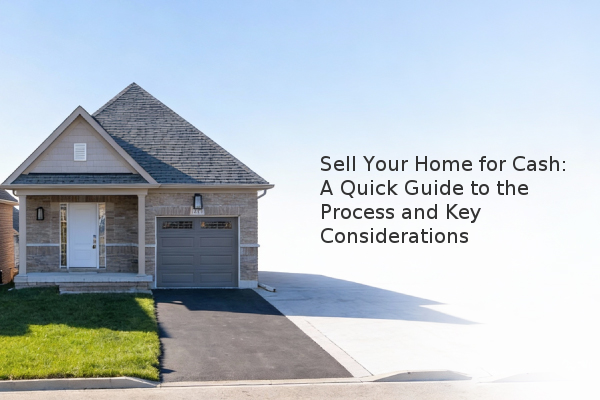
Selling a home for cash involves a direct transaction with an investor or company, bypassing the traditional real estate market. The primary advantage is speed, with closings often occurring in as little as two weeks. However, this convenience can come at a cost, as cash offers are typically 10-15% below a home's full market value. This method is best suited for homeowners facing foreclosure, dealing with an inherited property, or those who need to relocate quickly and prioritize a fast, certain sale over maximum profit.
The process is straightforward, but understanding each step is crucial to making an informed decision. Due diligence is the key to a successful and secure transaction.
A cash offer is a proposal to purchase real estate without relying on mortgage financing. The buyer has the liquid funds readily available. This eliminates common sale contingencies, such as the buyer's loan being approved by a lender, which is a major point of failure in traditional sales. For the seller, this translates to a significantly reduced risk of the deal falling through. Cash buyers are often professional home-buying companies, iShares, or individual investors looking for properties to renovate and resell or convert into rental units.
Weighing the benefits and drawbacks is essential before committing to a cash sale.
Advantages:
Disadvantages:
The table below summarizes the key differences:
| Feature | Traditional Sale | Cash Sale |
|---|---|---|
| Average Time to Close | 30-60 days | 10-21 days |
| Sale Price | Closer to full market value | Typically 10-15% below market value |
| Property Condition | Often requires repairs | Sold "as-is" |
| Sale Contingencies | Common (financing, inspection) | Rare or none |
Finding a trustworthy buyer is the most critical step. Start by searching for "local cash home buyers" or "we buy houses" companies in your area. Look for established businesses with verifiable physical addresses, not just P.O. boxes. Check their reviews on independent platforms and their rating with the Better Business Bureau. Be wary of high-pressure tactics or buyers who refuse to provide a clear, written contract. A legitimate buyer will always be able to provide proof of funds—a document from their bank confirming they have the capital to purchase your home.
The process is generally streamlined.
Selling your home for cash can be an excellent solution for those in specific situations requiring speed and certainty. The most critical step is to thoroughly research any potential buyer. Obtain multiple cash offers to compare and, if possible, get a comparative market analysis from a real estate agent to understand your home's true market value. This knowledge empowers you to decide if the convenience of a cash sale is worth the potential financial trade-off.