Browse

Log in / Register
 Share

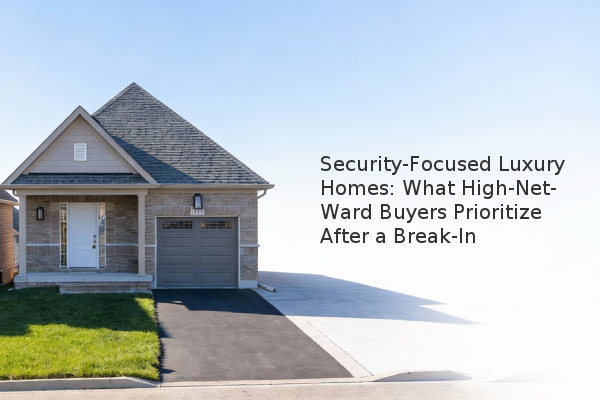
For high-profile buyers in the luxury real estate market, security and privacy are often the primary drivers behind a multi-million dollar purchase, sometimes even more so than architectural style or amenities. This was recently highlighted by actor Brad Pitt's acquisition of a $12 million Spanish-style estate in Los Angeles' Hollywood Hills, a decision influenced by a prior burglary at his previous home. This article explores the key security and design features that define a truly safe luxury property, based on an analysis of recent high-profile transactions.
The concept of security in high-end real estate goes far beyond a simple alarm system. It involves a layered approach to protection that starts at the property perimeter. The ideal secure estate often includes features like gated entries, strategic landscaping, and pre-wired systems for comprehensive monitoring.
Based on our experience assessment, properties that appeal to security-conscious buyers typically include:
| Security Feature | Common Implementation in Luxury Homes |
|---|---|
| Perimeter Defense | Gated entry, walls, fencing, and landscape screening. |
| Electronic Surveillance | Pre-wired systems for cameras, motion sensors, and alarms. |
| Access Control | Secure motor courts, intercom systems, and guarded entrances. |
A security breach, such as a break-in, can dramatically accelerate a buyer's decision-making process and redefine their criteria. In this case, the burglary at Pitt's Los Feliz home in June underscored the immediate need for a property that could deliver "privacy and peace of mind." While security was already a priority, the incident highlighted the tangible risks of owning a high-profile property without optimal protections. This shift in focus often leads buyers to prioritize turn-key security solutions over properties that might require significant upgrades.
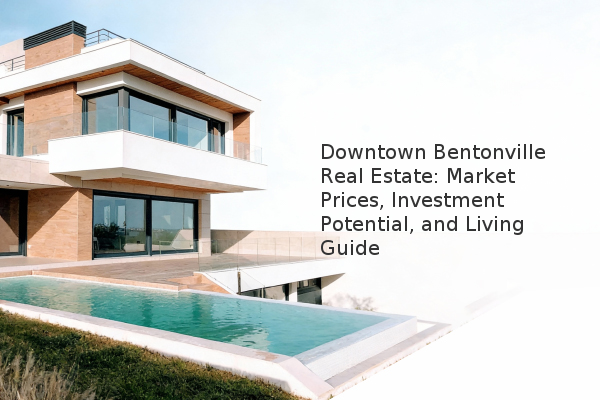
A secure home does not have to feel like a fortress. The most successful designs blend architectural beauty with practical privacy features. The Los Angeles property Pitt acquired exemplifies this balance, featuring floor-to-ceiling glass that likely utilizes specialized glazing, arched hallways, and wood-beam ceilings, all while being screened by its position and landscaping. Amenities like six bedrooms, eight bathrooms, a theater room, and expansive outdoor spaces with pools and gardens are expected in this market segment. However, the inclusion of elements like a double-height foyer and a hand-laid brick motor court demonstrates that security infrastructure can be seamlessly integrated into a aesthetically pleasing environment.
The most critical takeaway for buyers in the luxury market is to conduct thorough due diligence on a property's security infrastructure. While a recent sale price of $12 million on a home previously listed for just under $14 million may indicate a successful negotiation, the true value for the buyer often lies in the intangible benefit of enhanced safety. Prospective buyers should always verify the functionality of pre-existing security systems and consider a professional security assessment before purchasing a high-value asset. This step is essential for ensuring that a luxury property is not only beautiful but also provides the peace of mind that is paramount for high-net-worth individuals.