Browse

Log in / Register
 Share


For prospective homebuyers in 2026, Schumacher Homes stands as a significant national custom home builder, primarily known for its focus on energy-efficient designs and a streamlined building process. Based on an assessment of industry trends and consumer reports, the core value proposition of Schumacher Homes revolves around offering a structured, semi-custom building experience, which can provide predictability in both timeline and budget for buyers seeking a new construction home without a fully bespoke price tag. This article provides an objective analysis of what to expect.
The Schumacher Homes process is designed to be systematic, beginning with a consultation to select a home plan and a building location. A key differentiator is their use of pre-determined floor plans, which buyers can then customize to a certain degree. This semi-custom approach can significantly reduce architectural costs and streamline permitting. The process typically involves several stages: design finalization, securing financing, site preparation, foundation work, framing, and the completion of interior and exterior finishes. Throughout, clients are assigned a project manager to oversee progress. While this system aims for efficiency, timelines can be influenced by external factors such as weather, supply chain logistics, and local permit approval speeds.
Schumacher Homes emphasizes the use of modern building techniques and materials that meet or exceed standard building codes. A notable feature in many of their 2026 plans is the integration of energy-efficient components, such as high-efficiency HVAC systems, enhanced insulation packages, and low-E windows. These features are designed to reduce long-term utility costs for the homeowner. The quality of construction can vary depending on the specific regional office and the construction crew, a common characteristic of large national builders. It is highly recommended that buyers hire an independent third-party home inspector at critical phases of the build, particularly before the drywall is installed and during the final walk-through, to ensure all work meets agreed-upon standards.
The cost of a Schumacher home is not a single flat fee but is composed of several elements. The base price generally covers the standard home model and its core features. However, the final price is greatly affected by:
To provide a general reference, base prices for a standard Schumacher home plan in 2026 can start from the $300,000s and increase significantly based on the factors above. It is crucial to get a detailed, itemized quote that includes all anticipated costs to avoid budget overruns.
| Common Schumacher Home Feature (2026) | Potential Impact on Cost & Value |
|---|---|
| Energy-Efficient HVAC & Insulation | Higher upfront cost, lower monthly utility bills. |
| Standard vs. Upgraded Flooring | Upgrades can add $10,000 - $30,000+ to the total cost. |
| Kitchen Cabinet & Countertop Packages | Premium selections can significantly increase the final price. |
| Lot Preparation (Steep vs. Flat) | Complex site work can add tens of thousands to the budget. |
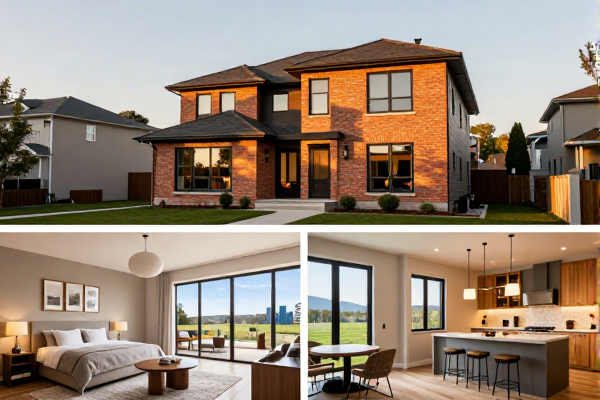
Before committing, a thorough evaluation is essential. Secure financing pre-approval to understand your budget clearly. Research the specific Schumacher Homes regional office you will be working with by checking reviews with the Better Business Bureau and other consumer sites. Scrutinize the contract's warranty details to understand what is covered and for how long. Pay close attention to clauses regarding change orders, as modifications after the contract is signed can be costly. Always ensure you have clear title insurance for your land before construction begins.
Prospective buyers should approach the custom home building process with diligent research and clear financial planning. Securing independent inspections and thoroughly understanding the contract are critical steps to a successful project. While Schumacher Homes offers a structured path to a new home, the final outcome depends heavily on clear communication, realistic budgeting, and proactive oversight throughout the construction journey.