Browse

Log in / Register
 Share

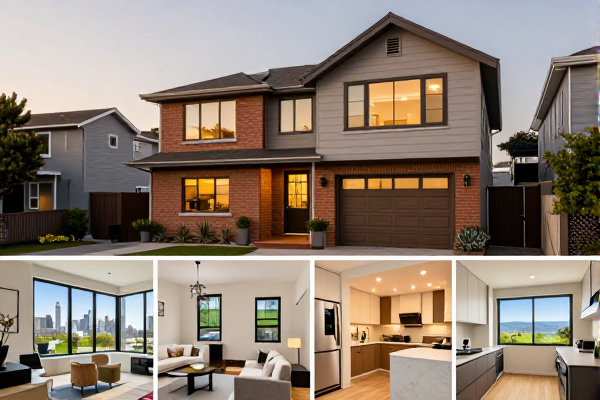
Navigating San Francisco's real estate market requires a precise understanding of how its unique zip codes correlate with specific building codes, zoning regulations, and ultimately, property values. In 2026, this knowledge is critical for making informed decisions, whether you're buying, selling, or investing. The fundamental conclusion is that a property's zip code in San Francisco is a primary indicator of its value, potential renovation scope, and the specific municipal building codes that will govern any development. This guide breaks down the essential connections between these factors to empower your real estate strategy.
Building codes are a set of regulations that govern the design, construction, alteration, and maintenance of structures. In San Francisco, these codes are stringent, particularly concerning seismic safety, energy efficiency, and historic preservation. For any property transaction, understanding the applicable codes is non-negotiable. For instance, a soft-story building (a multi-unit structure with a weak ground floor, often containing parking or large windows) in a zip code like 94110 may require a costly mandatory retrofit. Before purchasing, a thorough review of the property's compliance status is essential to avoid unexpected financial burdens post-purchase.
San Francisco's zip codes are more than just mailing addresses; they are powerful determinants of market dynamics. A zip code like 94123 (Marina) commands premium prices due to its location and perceived prestige, while 94124 (Bayview) offers more accessible entry points but may have different development potential. The table below illustrates the approximate median home value variance across select San Francisco zip codes for early 2026, based on aggregated market data.
| San Francisco Zip Code | Neighborhood Example | Approximate Median Home Value (Q1 2026) |
|---|---|---|
| 94118 | Inner Richmond | $1.8 - $2.2 Million |
| 94110 | Mission/Bernal Heights | $1.3 - $1.7 Million |
| 94102 | Tenderloin/Civic Center | $900,000 - $1.2 Million |
These value disparities are directly tied to local zoning laws, which control building height, density, and allowable uses. A zoning code dictates whether you can add a new unit to a property or run a business from your home, restrictions that vary significantly from one zip code to another.
Embarking on a renovation in San Francisco is a process heavily dependent on city approvals. The first step is to determine which codes apply to your project, which can include California Building Code (CBC) amendments specific to San Francisco. You will likely need permits from the Department of Building Inspection (DBI). The most common hurdle for homeowners is underestimating the timeline and cost associated with permit approval, especially for projects in neighborhoods with historic overlay zones. It is strongly advised to consult with a professional familiar with the local permitting process to navigate potential delays.
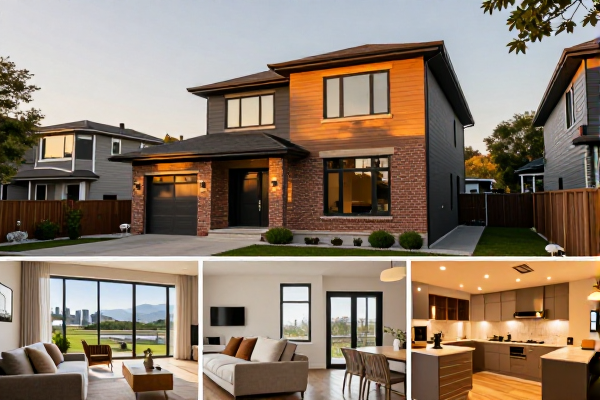
The convergence of zip code and building code is where savvy real estate decisions are made. A lower-priced property in an up-and-coming zip code might seem attractive, but if it falls under a strict historic preservation code, your ability to modernize it could be severely limited. Conversely, a newer condominium in a zip code with flexible codes might offer easier expansion options. Your due diligence must include reviewing the property's title report for existing violations and understanding the long-term development plans for the zip code, which can affect future value.
In summary, successfully navigating San Francisco's 2026 real estate market hinges on a dual analysis of location-specific value trends and the regulatory environment. Always verify building code requirements for your target zip code, budget for potential compliance costs, and align your property choice with both your financial goals and lifestyle needs. This proactive approach is the best strategy for a sound investment in one of the nation's most dynamic urban landscapes.