Browse

Log in / Register
 Share
Share
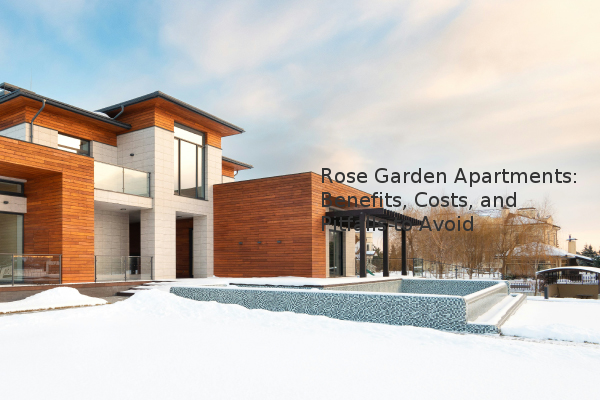
Living in an apartment community with a dedicated rose garden offers a unique blend of aesthetic appeal and potential lifestyle benefits. The core advantages include enhanced curb appeal, aromatherapy benefits, and a serene outdoor space, but these come with considerations like Higher Homeowners Association (HOA) fees and maintenance responsibilities. This guide provides an objective analysis to help you decide if a "rose garden apartment" is the right choice for your lifestyle and budget.
What is a Rose Garden Apartment Complex? A rose garden apartment complex is a residential rental property that features landscaped gardens, with a significant portion dedicated to cultivating various types of roses. This amenity goes beyond basic landscaping, aiming to create a distinctive and visually appealing environment for residents. The presence of such a garden often signals that the property management prioritizes curb appeal and communal outdoor spaces. For tenants, this can translate into a more pleasant daily living experience, offering a readily available natural retreat without leaving the property grounds. However, the sophistication of this amenity can be a indicator of the overall cost structure of the complex.
The Tangible Benefits of Rose Garden Living The primary benefit is the significant enhancement of your immediate environment. Well-maintained rose gardens provide year-round visual interest and a pleasant, fragrant atmosphere that can contribute to stress reduction. This type of setting is often conducive to outdoor relaxation and social gatherings, effectively extending your living space into the community grounds. From a practical perspective, complexes that invest in high-quality landscaping like rose gardens may also maintain higher standards for other areas of the property, including building exteriors and common facilities. This can lead to a overall higher quality of living experience compared to more basically landscaped properties.
Understanding the Cost Implications The elevated maintenance required for rose gardens is typically reflected in the rental price and/or HOA fees. Roses require regular pruning, fertilizing, pest control, and watering by professional landscapers, costs that are passed on to residents. You should expect the total monthly cost to be higher than that of a comparable apartment without such elaborate grounds. It is crucial to request a detailed breakdown of what your fees cover to understand the value proposition.
Estimated Monthly Cost Premium for a Rose Garden Apartment Complex
| Apartment Feature | Standard Complex | Rose Garden Complex | Notes |
|---|---|---|---|
| 1-Bedroom Rent | $1,800 | $1,950 - $2,100 | Can vary by 5-15% |
| HOA / Amenity Fee | $50 | $100 - $150 | Covers specialized landscaping |
| Total Monthly | $1,850 | $2,050 - $2,250 | Potential premium of $200-$400 |
Key Considerations Before Signing a Lease Before committing, investigate the property's pest control policies. Roses can attract insects like aphids, and you'll want to ensure the management has a proactive, professional plan in place to prevent pests from becoming a nuisance near your home. You should also inquire about the rules regarding the garden. Are residents allowed to pick flowers? Are there specific quiet hours for the garden area? Understanding these guidelines will help you set realistic expectations. Finally, assess the practicality of the garden's location relative to your apartment unit; a ground-floor unit facing the garden offers a different experience than an upper-floor unit located farther away.
Is a Rose Garden Apartment Right for You? Making an informed decision requires weighing the subjective benefits against the objective costs. If you highly value a beautiful, fragrant outdoor environment and are willing to pay a premium for it, a rose garden apartment can be a worthwhile investment in your quality of life. However, if your priority is minimizing monthly expenses, a complex with standard landscaping will likely offer better financial value.
To make a balanced decision, consider these points: evaluate the total monthly cost premium, verify the property's pest management plan, and review all community rules regarding the use of the garden space. Based on our experience assessment, this type of living arrangement is most suitable for those who will actively use and appreciate the unique amenity, thereby receiving full value for the additional cost. Always visit the property in person to experience the environment firsthand before making a final choice.