Browse

Log in / Register
 Share
Share
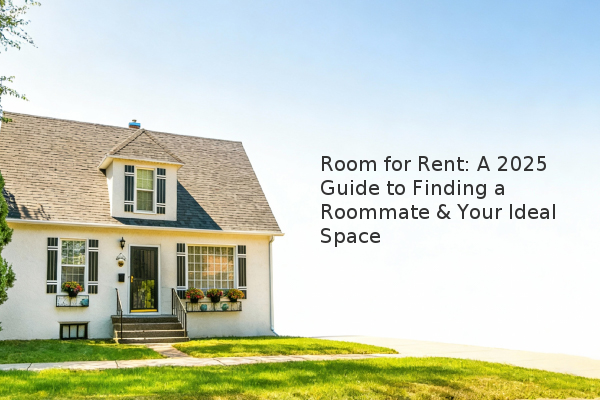
Finding a room for rent is a common and practical step for many individuals, from students to young professionals. The core of a successful search lies in a clear understanding of your budget, a strategic approach to finding roommates, and a thorough vetting of the rental agreement. This guide provides a fact-based overview of the process, focusing on key financial considerations and contractual obligations to help you make an informed decision.
The advertised rent is only one part of the financial picture. When budgeting for a room for rent, you must account for several additional costs. The security deposit, typically equal to one month's rent, is a refundable amount held to cover any damages. You will also need to consider monthly utilities, which include electricity, water, gas, internet, and sometimes trash removal. It's crucial to clarify with the landlord or head tenant which utilities are included in the rent and which are your responsibility. Based on our experience assessment, you should budget an additional 20-30% of the monthly rent for these variable costs. Furthermore, some landlords may require the first and last month’s rent upfront.
Here is a sample budget breakdown for a room renting at $800 per month:
| Expense | Estimated Cost | Notes |
|---|---|---|
| Monthly Rent | $800 | Fixed cost |
| Security Deposit | $800 | Refundable at lease end |
| Utilities (if not included) | $160 - $240 | (20-30% of rent) |
| Renter's Insurance | $15 - $30 | Highly recommended |
A compatible roommate can make the experience positive, while a poor match can lead to conflict. Start by defining your own living habits: Are you an early riser or a night owl? Do you prefer a quiet environment or are you more social? Use reputable online platforms that allow you to create a detailed profile outlining your preferences. When you meet potential roommates, either virtually or in person, treat it as a two-way interview. Discuss important topics like guest policies, cleaning schedules, and how shared expenses will be split. Compatibility in lifestyle and financial responsibility is often more important than personal friendship.
The rental agreement, or lease, is a legally binding contract that outlines the rights and responsibilities of all parties. Do not sign it until you have read and understood every clause. There are different types of agreements. A month-to-month rental agreement offers flexibility, typically requiring a 30-day notice to terminate. An annual lease provides more stability but locks you in for a fixed term. Pay close attention to the house rules section, which may cover policies on pets, smoking, and noise. Importantly, verify whether you are signing a lease with the property owner directly or a sublease agreement with an existing tenant, as this affects your legal rights and who you pay rent to.
A virtual or in-person tour is your opportunity to assess the property beyond the listing photos. Test the water pressure and check that all appliances are in working order. Look for signs of pests, water damage, or mold. Inquire about the average cost of utilities if they are not included. Don’t forget to assess the safety of the neighborhood and the security features of the building itself, such as door locks and lighting. Taking photos or a video during the tour can serve as a valuable record of the room's condition before you move in.
To navigate your room rental search effectively, prioritize a clear budget that includes all potential costs, conduct thorough interviews with potential roommates, and meticulously review the rental agreement. A methodical approach significantly increases the predictability of a positive and financially sound living arrangement.