Browse

Log in / Register
 Share

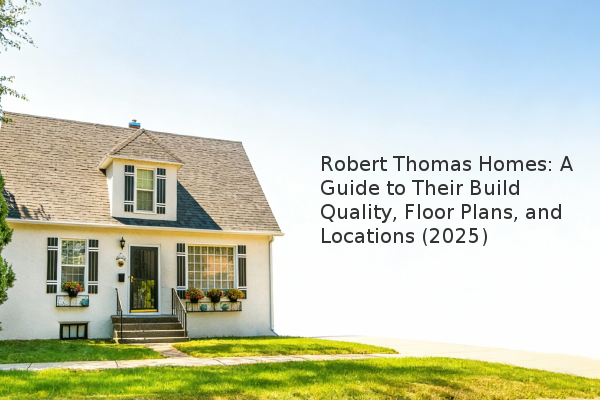
Robert Thomas Homes has established itself as a prominent semi-custom homebuilder, primarily in the Southeastern and Midwestern United States. Based on our experience assessment, the builder is recognized for offering a balance of personalized design options within a streamlined process, focusing on single-family homes in master-planned communities. This guide provides an objective overview of their typical build quality, popular floor plans, and the states where they actively operate, offering verifiable information for prospective buyers conducting due diligence.
A key consideration for any homebuyer is location. Robert Thomas Homes typically concentrates its operations in specific growth markets. As of 2025, their primary building activity is centered in Texas, particularly in the high-demand areas surrounding major metropolitan hubs like Dallas-Fort Worth and Houston. Additionally, they have a significant presence in Tennessee, with communities in and around Nashville. Before beginning your search, it is crucial to verify their current active communities directly through their official channels, as their geographical focus can shift based on market conditions and land acquisition. The choice of building in thriving regions often correlates with access to amenities and potential for property value appreciation.
Robert Thomas Homes specializes in building single-family homes, often described as "semi-custom." This means buyers typically select from a set of pre-designed floor plans and then have a range of options to personalize finishes, fixtures, and sometimes structural elements like room extensions. Common plan categories include single-story and two-story layouts, catering to various lifestyles from growing families to empty-nesters. You can expect to find a variety of square footages, often starting from around 2,000 square feet and exceeding 3,500 square feet in some communities. Key features often emphasized include open-concept living areas, owner's suites located on the main level, and modern kitchen designs.
To illustrate the range, here is a sample of common floor plan categories:
| Plan Type | Typical Bed/Bath Count | Ideal For |
|---|---|---|
| The Starter | 3-4 Bedrooms / 2-3 Baths | First-time homebuyers, small families |
| The Growing Family | 4-5 Bedrooms / 3-4 Baths | Families needing more space, home offices |
| The Executive | 4+ Bedrooms / 3.5+ Baths | Multi-generational living, entertainment |
The build process with a production builder like Robert Thomas Homes is generally more standardized than with a fully custom builder. The timeline from contract to closing can vary but often falls within a 6 to 9-month window, subject to weather and supply chain factors. When evaluating build quality, prospective buyers should research the specific materials and standards used. Inquire about the included features, such as energy-efficient appliances, window types, and flooring options. It is highly recommended to hire a professional home inspector during the building process, particularly at key stages like the foundation pour, pre-drywall, and final walk-through. This independent assessment can provide an objective evaluation of the construction.
Making an informed decision requires thorough research. Begin by visiting model homes in person to assess the craftsmanship and ask detailed questions about what is standard versus an upgrade. Title Insurance is a form of indemnity insurance that protects against financial loss from defects in a property's title; it is a standard and crucial part of the closing process with any builder. Furthermore, understanding the homeowner's association (HOA) fees and covenants for the community is essential, as these rules can affect your property use and represent an ongoing cost. Always compare the base price of a Robert Thomas home with the final cost after adding your desired upgrades to ensure it aligns with your budget.
Key takeaways for your research include: visiting communities in person, securing an independent home inspection, and carefully reviewing all contract documents and HOA obligations before committing.