Browse

Log in / Register
 Share

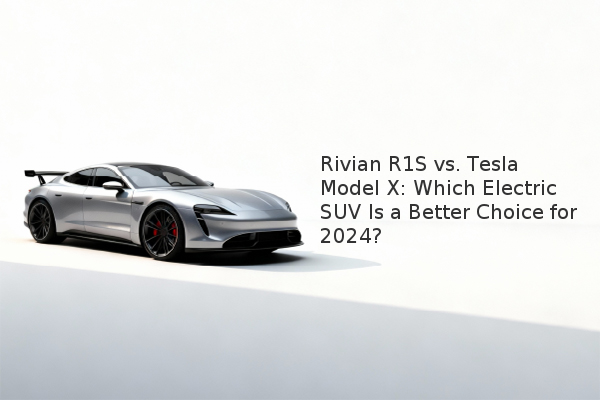
For shoppers considering a premium electric SUV, the Rivian R1S emerges as a compelling, boxy alternative to the sleeker Tesla Model X, with standout features like a standard three-row configuration, a unique quad-motor all-wheel-drive system, and a highly practical front trunk (or "frunk"). While Tesla has dominated the EV market for years, Rivian's focus on adventure and utility presents a distinct choice. This comparison, based on manufacturer specifications and industry evaluations, breaks down the key differences to help you decide.
The most immediate difference is in their styling. The Tesla Model X is known for its aerodynamic, "windswept" profile, highlighted by its signature falcon-wing doors. In contrast, the Rivian R1S adopts a very upright, boxy design reminiscent of classic luxury SUVs, with prominent circular headlights and a focus on maximizing interior space.
This design philosophy extends to functionality. The R1S's vertical lines contribute to a more spacious third-row seat and cargo area compared to the sloping roofline of the Model X. For buyers prioritizing a bold, utilitarian look and maximum interior volume, the R1S has a clear advantage. Those preferring a futuristic, sleek appearance may lean towards the Model X.
Both SUVs offer blistering acceleration, but their engineering approaches differ. The Rivian R1S utilizes a quad-motor system, meaning a separate electric motor powers each wheel. This setup enables highly sophisticated torque vectoring, precisely managing power delivery to each wheel for exceptional off-road traction and on-road handling.
The Tesla Model X traditionally employs a dual-motor all-wheel-drive system (with a tri-motor "Plaid" variant for extreme performance). While incredibly capable on pavement, it may not match the R1S's granular control in challenging off-road conditions. For towing, both are formidable:
The R1S also boasts a higher ground clearance, further solidifying its position as the more adventure-ready vehicle straight from the factory.
Inside, both vehicles embrace a minimalist, screen-centric dashboard. The R1S features a large central touchscreen alongside a digital instrument cluster behind the steering wheel. The Model X is famous for its massive, landscape-oriented central screen.
The critical practical difference lies in seating and storage. The Rivian R1S comes standard with three rows of seating, comfortably accommodating up to seven adults. The Tesla Model X offers optional third-row seats, but its sloping design can compromise headroom. A significant advantage for both EVs is the absence of a traditional engine block, which creates a front trunk ("frunk"). The R1S's frunk is particularly large, offering substantial storage for groceries or gear, a feature less common in gas-powered SUVs.
Based on our assessment experience, the choice ultimately depends on your lifestyle: