Browse

Log in / Register
 Share
Share
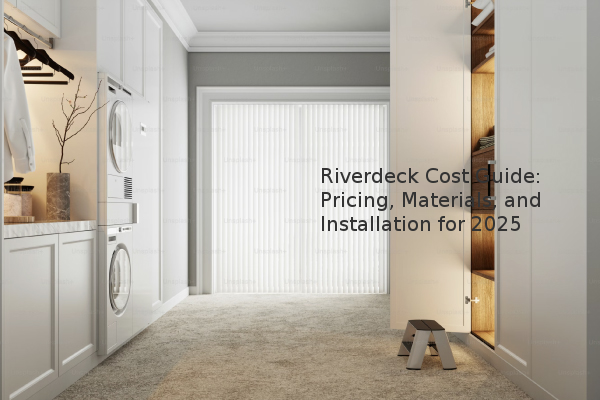
The average cost to build a riverdeck in the US ranges from $5,000 to $30,000, with most homeowners spending between $15,000 and $25,000 for a professionally installed, mid-range composite deck. The final price is highly dependent on the deck's size, the materials chosen, and the complexity of the installation, which includes factors like the slope of the riverbank and necessary permits. Understanding these cost components is crucial for effective budgeting and achieving the desired outdoor living space.
A riverdeck is an exterior flooring system, typically made of wood or composite materials, built to extend a living space over a riverbank or similar waterfront property. Unlike a standard deck, a riverdeck often requires specialized engineering to address environmental factors like soil erosion, water levels, and local regulations. The primary cost drivers include the deck's square footage, the choice of materials, labor expenses, and site-specific challenges. For instance, a simple, ground-level platform will cost significantly less than a multi-level structure with built-in seating and lighting that requires deep foundational pilings due to a steep or unstable bank.
Material costs typically account for 50-60% of the total project budget. Homeowners can choose from pressure-treated wood, which is the most budget-friendly option, or more durable and low-maintenance composites and tropical hardwoods. Labor costs vary by region and the contractor's expertise but generally constitute the remaining 40-50% of the budget. Projects in areas with a high cost of living or those requiring specialized waterfront construction knowledge will command higher labor rates.
Selecting the right material is a balance between upfront cost and long-term maintenance. Pressure-treated lumber is the most economical choice, priced at $15 to $25 per square foot for materials and installation. However, it requires annual sealing or staining to withstand constant moisture. Composite decking, made from a blend of wood fibers and plastic, costs $30 to $45 per square foot installed. While more expensive initially, it resists rot, insects, and fading, requiring only occasional cleaning.
For a more premium option, tropical hardwoods like Ipe or Tigerwood offer exceptional durability and a natural aesthetic, with costs ranging from $35 to $60 per square foot. Labor costs are not just for assembly; they encompass site preparation, which for a riverdeck may involve soil stabilization, excavation, and installing robust support posts that meet local building codes for waterfront structures. Obtaining a building permit, which can cost $500 to $2,000, is a non-negotiable step that ensures the structure's safety and environmental compliance.
Beyond budget, several critical factors can impact the feasibility and cost of a riverdeck. Local regulations are paramount. Many municipalities, especially those with protected waterways, have strict setback requirements (the minimum distance a structure must be from the waterline) and may require a special environmental review. It is essential to consult with local building authorities before finalizing any plans.
The foundation and structural integrity are also vital. A riverdeck must be designed to handle fluctuating water levels, potential flooding, and the erosive force of moving water. This often means using helical piers or concrete piers that extend below the frost line and into stable soil. Based on our experience assessment, investing in a proper foundation is the most important factor for the deck's longevity. Additionally, consider the orientation and design to maximize views and sun exposure while ensuring privacy.
To ensure a successful riverdeck project, start with a detailed plan and a realistic budget that includes a 10-15% contingency for unforeseen issues. Always hire contractors with specific experience in waterfront construction, verify their licenses and insurance, and obtain multiple quotes. Prioritize durable, low-maintenance materials to minimize long-term upkeep costs and ensure your investment provides enjoyment for years to come.