Browse

Log in / Register
 Share
Share
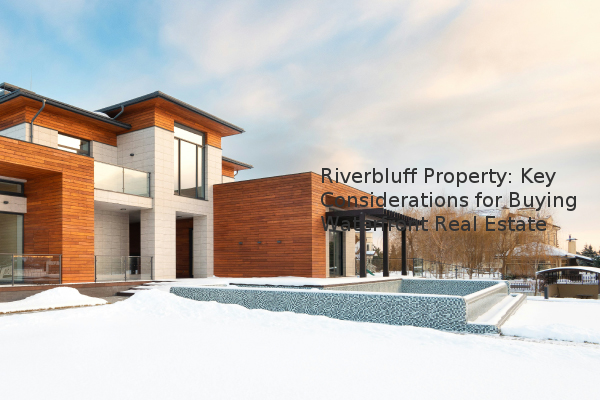
Purchasing a Riverbluff property offers a unique blend of scenic beauty and significant investment considerations, primarily centered on erosion control, insurance costs, and zoning regulations. Unlike standard land plots, homes on a bluff—a high, steep bank or cliff—require a specialized due diligence process to ensure long-term safety and value retention. This guide outlines the critical factors to evaluate, from geological stability to local ordinances, providing a framework for a sound investment decision.
The most pressing concern for any riverbluff property is erosion, the gradual wearing away of land by water. Over time, the river's current can undermine the bluff's foundation, potentially leading to landslides or structural damage to your home. Before purchasing, it is essential to review a recent geotechnical survey, a professional assessment of the soil and slope stability. This report will identify any existing movement or potential failure points. Additionally, research the property's history of erosion and inquire about any existing erosion control measures, such as retaining walls or riprap (a foundation of loose stone). Understanding these risks is the first step in mitigating them.
Local government zoning laws and environmental protections often place strict limitations on what you can do with a riverbluff property. These regulations are designed to protect the natural landscape and prevent hazardous construction. You may encounter restrictions on building expansions, tree removal, or even the type of landscaping permitted. Furthermore, the property might be located within a FEMA Flood Zone or a protected riparian buffer, which can affect your ability to modify the land. Consulting with local planning departments and understanding these rules beforehand is crucial to avoid costly legal issues and ensure your vision for the property is feasible.
| Consideration | Key Question to Ask | Why It Matters |
|---|---|---|
| Geotechnical Stability | Has a recent soil stability report been conducted? | Determines the long-term safety of the structure. |
| Setback Requirements | What are the local zoning laws for building near the bluff edge? | Impacts your ability to build or renovate. |
| Insurance Premiums | What is the estimated cost of flood and landslide insurance? | Significantly affects your annual homeownership costs. |
Owning a riverfront property often comes with higher ongoing expenses. Homeowners insurance for a riverbluff home will likely be more expensive due to the heightened risks of flooding and landslides. You may be required to purchase separate flood insurance policies. Maintenance is another critical cost factor. Erosion control is not a one-time expense; retaining walls need inspection, and drainage systems must be maintained. Budget for regular landscaping that supports the bluff's integrity, which can be more specialized and costly than standard yard work. Factoring in these long-term costs is essential for an accurate assessment of the property's affordability.
Prospective buyers must prioritize a thorough due diligence process that includes specialized inspections and a clear understanding of long-term financial obligations. The key to a successful purchase lies in verifying the property's stability, comprehending all regulatory constraints, and accurately budgeting for insurance and maintenance. By focusing on these practical aspects, you can make an informed decision about the value and viability of a riverbluff home.