Browse

Log in / Register
 Share
Share
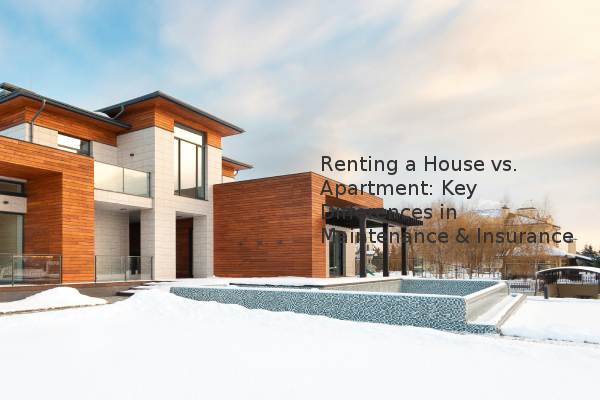
Understanding the distinct maintenance responsibilities and insurance needs when renting a house versus an apartment is crucial for a stress-free tenancy. The core difference is that apartment tenants typically have fewer maintenance duties, with landlords handling major repairs, while house renters often assume more hands-on upkeep like yard work. Furthermore, renters insurance for a house usually requires higher coverage limits to protect against increased liability risks and personal property exposure. Clarifying these responsibilities before signing a lease is essential.
In both rental scenarios, the landlord is legally obligated to maintain the property's habitability. This includes significant structural and system repairs. Landlords are typically responsible for issues involving plumbing, electrical systems, the roof, and heating and cooling (HVAC) units. In apartment buildings, this extends to common areas like lobbies, hallways, and shared amenities. As Ron Myers, a real estate agent and investor, notes, "Things like plumbing problems, HVAC repairs, pest control, and even repairs on appliances that come with the unit are typically covered."
The tenant's responsibilities differ significantly between property types.
The following table outlines the typical division of responsibilities:
| Maintenance Task | Apartment (Typically) | Single-Family Home (Typically) |
|---|---|---|
| HVAC Repairs | Landlord | Landlord |
| Major Plumbing | Landlord | Landlord |
| Yard Work | N/A | Tenant |
| Snow Removal | Landlord (common areas) | Tenant |
| Minor Clogs | Tenant | Tenant |
| Appliance Repairs | Landlord (if provided) | Landlord (if provided) |
| Gutter Cleaning | Landlord | Tenant |
| Pest Control | Landlord | Varies by Lease |
The most critical step is to read your lease carefully. As Jennifer Ruelens, owner of a property management company, advises, "My best advice... is never assume. Read your lease, ask questions, and if you ask a question, get the answer in writing." Responsibilities for items like pest control can vary, so written clarification is key.
While renters insurance is highly recommended for all tenants, the required coverage levels differ. A basic policy provides personal property and liability coverage, but it may be insufficient for a house.
It is vital to discuss your specific rental's features with your insurance agent. As Erika Tortorici, owner of Optimum Insurance Solutions, states, "If your rental includes higher-risk features, like a pool, that could increase your liability exposure, so it’s important to be properly covered."
Beyond maintenance and insurance, consider these practical differences:
To make a confident rental decision, thoroughly review your lease agreement, discuss ambiguities with the landlord in writing, and ensure your renters insurance policy aligns with your new home's specific risks. Taking these steps will help you avoid unexpected costs and responsibilities.