Browse

Log in / Register
 Share
Share
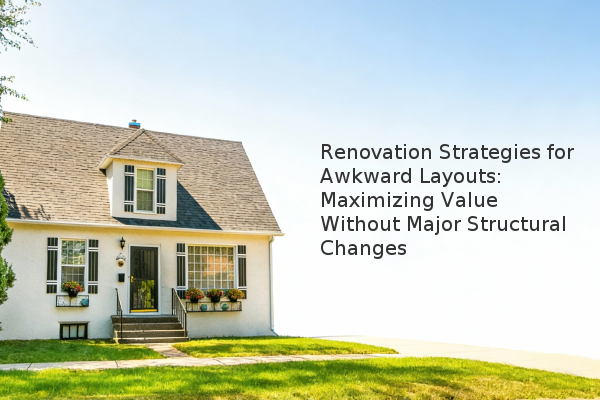
Homeowners facing an awkward floor plan can significantly increase property value and appeal through strategic design choices without undertaking expensive structural alterations. Based on our experience assessment, focusing on high-impact finishes, creative space utilization, and enhanced lighting often yields a superior return on investment compared to complex wall removals. This approach is particularly effective for maximizing profit in a competitive real estate market.
How can you repurpose an obstructive wall instead of removing it? A prominent wall in an entryway often disrupts the desired open-flow floor plan. However, full removal can be cost-prohibitive. In one assessed project, the estimated cost for wall removal was approximately $25,000, which included potential load-bearing considerations and engineering fees. Instead of demolition, a more budget-friendly solution is to repurpose the structure. By adding lower cabinetry, open shelving, and integrated wine racks, the wall was transformed into a functional beverage center. This conversion not only added valuable storage and utility but also became a defining feature that enhanced the home's character. Repurposing an obstructive wall into a functional feature like a beverage center or built-in shelving can add unique value at a fraction of the cost of removal.
What design techniques draw attention to a home's positive features? When a layout cannot be changed, visual cues can effectively guide the eye toward attractive assets and away from less desirable elements. Using color and texture is a powerful method. Painting a focal wall a distinct, contrasting color can create depth and direct sightlines. For instance, emphasizing a fireplace by tiling it to the ceiling with a textured, large-format tile can make it a stunning centerpiece. This type of update, costing around $3,000 in the cited example, creates a high-end look that distracts from the home's layout limitations. The strategic use of materials and color is a cornerstone of professional home staging, which aims to showcase a property's best attributes to potential buyers.
Why are high-quality finishes critical in a closed-off floor plan? In rooms with limited square footage or poor flow, the quality of materials becomes paramount. A small, dark kitchen can feel significantly more luxurious and spacious with premium finishes. Choosing modern cabinetry, a bold tile backsplash, and updated countertops compensates for the lack of an open concept. While selecting a more daring design might seem risky, it can differentiate a property in the market. The investment in top-notch finishes ensures that buyers notice the quality of the space rather than its size constraints. Investing in high-quality, modern finishes for kitchens and bathrooms can make cramped spaces feel intentional and luxurious, directly impacting buyer perception.
How can you enhance natural and artificial lighting effectively? Adding natural light through new windows is not always feasible due to cost, permitting delays, or structural limitations. A highly effective alternative is a layered lighting plan. In a kitchen renovation, under-cabinet LED lighting, paired with upgraded overhead fixtures and strategic pot lights, can brilliantly illuminate a previously dark space. This solution, which cost approximately $600 in one case, is a fraction of the price of adding a window and avoids lengthy municipal approval processes. A comprehensive layered lighting strategy using LED under-cabinet lights, pot lights, and modern fixtures can dramatically brighten a room without structural changes.
| Renovation Strategy | Estimated Cost | Alternative Structural Change | Estimated Cost of Structural Change |
|---|---|---|---|
| Repurpose Wall with Built-Ins | $3,000 - $7,000 | Remove Load-Bearing Wall | $15,000 - $25,000+ |
| Layered LED Lighting Plan | $600 - $1,500 | Install New Window (with permits) | $5,000 - $10,000+ |
| Premium Finishes (Kitchen) | $20,000 - $50,000 | Reconfigure Entire Kitchen Layout | $40,000 - $75,000+ |
What are the financial outcomes of a design-focused renovation? A renovation prioritizing design intelligence over structural overhaul can yield substantial profits. For a property purchased for $825,000, a renovation budget of $182,000 focused on the strategies above resulted in a final sale price of $1,450,000. This represents a profit of $382,600 after accounting for closing costs and real estate commissions. The key takeaway is that a home does not require a perfect, open-concept layout to attract competitive offers. Strategic, non-structural upgrades that enhance functionality and aesthetics can generate significant returns by appealing to buyer desires for move-in-ready homes with character.