Browse

Log in / Register
 Share
Share
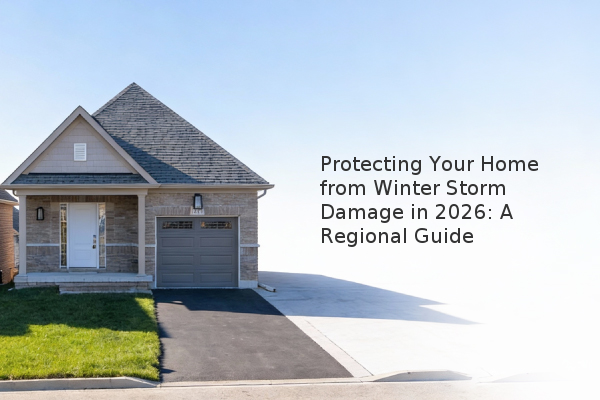
Winter storms in 2026 pose a significant threat to properties across the U.S., with risks ranging from frozen pipes to roof collapse. Based on our experience assessment, taking proactive, region-specific steps can substantially reduce the likelihood of costly damage. This guide outlines the immediate actions homeowners should take based on their location and the primary threats identified by weather forecasts.
What are the primary threats for the Great Lakes and Northeast? For homeowners in the Great Lakes and interior Northeast, the main concerns are repeated snow bands and intense snow squalls. These conditions can lead to ice accumulation on walkways and stress on roof structures. Pretreating steps, decks, and walkways with ice melt is a critical first step to prevent instantly hazardous surfaces. Furthermore, it is prudent to assess the condition of your roof and gutters. Research from Hippo indicates that over 60% of homeowners have experienced property damage from winter storms, making a visual inspection for sagging or blockages a valuable preventative measure. Ensuring outdoor lighting is functional is also key for safety during periods of low visibility caused by blowing snow.
How should homeowners in the Rockies and Central U.S. prepare? In the Rockies, heavy mountain snow is the primary issue, while the Central U.S. faces a tricky mix of light snow and ice. The core challenge here is managing weight and ice accumulation. Homeowners should be aware of the snow load capacity of their roof and look for warning signs of stress, such as excessive icicles or large mounds of snow at the eaves. These signs can indicate the formation of an ice dam—a ridge of ice that forms at the edge of a roof and prevents melting snow from draining, which can lead to water damage inside the home. Russell C. Vent, a vice president at a restoration company, recommends identifying a local ice dam and snow removal service before a storm hits and keeping their contact information readily available.
What is the main risk for the Gulf Coast and Southeast? For these regions, the threat shifts from snow to heavy rain and localized flooding. The goal is to manage water flow away from the property’s foundation. Clearing gutters, downspouts, and nearby street drains of leaves and debris is an essential task. According to FEMA estimates, just one inch of water can cause up to $25,000 in damage. For homes with a history of moisture intrusion, testing your sump pump—a pump used to remove water that has accumulated in a water-collecting sump basin, typically found in basements—and its backup battery system is a highly recommended precaution to ensure it functions during a power outage or heavy downpour.
Why is the impending cold snap a critical concern? A surge of arctic air brings the risk of frozen or burst pipes, which can cause extensive and expensive damage rapidly. Insulating exposed plumbing with foam pipe insulation or heat tape is a fundamental protective measure. Paul Vacquier, CEO of a plumbing technology company, notes that a burst pipe can cause tens of thousands of dollars in damage before a homeowner is even aware. He also recommends shutting off and draining outdoor spigots and irrigation lines. For added protection, installing a smart leak detector can provide an early warning system. These devices monitor water flow and can automatically shut off the supply if a leak is detected, offering proactive defense.
Conclusion: Key Actionable Steps for Homeowners In summary, protecting your home from winter weather is a region-specific endeavor. The most critical steps are to manage water flow in rainy regions, reduce ice and snow load in snowy areas, and prevent pipes from freezing in the cold. For all homeowners, using a period of milder weather to seal gaps around doors and windows and service your HVAC system can improve energy efficiency and prevent future failures. Based on our experience assessment, these proactive measures are predictable ways to safeguard your property’s value and avoid significant repair costs.