Browse

Log in / Register
 Share
Share
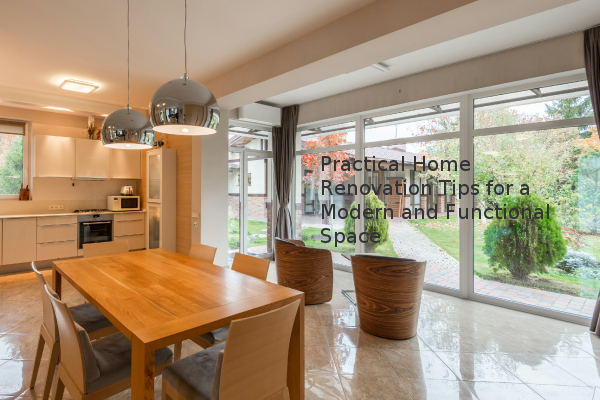
Successful home renovation balances aesthetics with daily functionality. Based on an assessment of a recent high-profile project, key strategies include selecting durable, light-toned flooring, adding a guest powder room, incorporating architectural arches for flow, and using paint to modernize existing features. These updates can significantly enhance a home's value and livability without requiring a complete overhaul.
Dark flooring can make a space feel smaller and shows dust, pet hair, and scratches more easily. For a timeless and practical foundation, medium-toned hardwood floors are often a superior choice. They offer a warm, sophisticated look that is more forgiving of everyday wear and tear. This selection is not merely about color; it's about choosing materials that align with a realistic lifestyle, ensuring the home remains beautiful with manageable upkeep. Lighter tones also help reflect light, making rooms appear more spacious and inviting.
A dedicated powder room on the main level provides significant convenience for both residents and guests. It eliminates the need for visitors to enter the private spaces of the home, such as the primary bedroom's bathroom. From a design perspective, replacing an underutilized feature—like a brick planter in an entryway—with a "super chic and convenient bathroom" maximizes the functionality of the square footage. This addition is a highly valued feature that contributes to the overall flow and privacy of the home's layout.
Archways are a powerful architectural element that can elevate a home's interior by creating a sense of flow and cohesion. Introducing arches between key areas, like the entryway and living space, adds soft, "sexy new curves" that break up rigid lines. This design move creates visual interest and guides movement through the home without the need for doors. Echoing the same arch design in other rooms, such as a pantry entry, ties the entire floor plan together, offering a sleek and sophisticated continuity that feels intentional and custom-built.
While new wood floors are a common upgrade, applying wood to a ceiling can create a dramatic and rich focal point. Using a pattern like herringbone in an entryway ceiling makes a strong first impression. This technique draws the eye upward, adding depth and character to a space. A darker stain on the ceiling can create a cozy, intimate atmosphere, making the room feel more designed and complete. It’s a bold choice that transforms the fifth wall into a standout feature.
Updating existing windows and doors with a fresh coat of paint is a cost-effective way to achieve a modern look. Instead of replacement, painting frames black can instantly refresh their appearance. Black frames provide a crisp, contemporary contrast that makes windows appear larger and more defined. This simple change can significantly improve the aesthetic flow of a room, making the architectural features feel intentional and current. It’s a sustainable practice that reuses quality materials while delivering a substantial visual impact.
To implement these ideas effectively, consider the following steps: prioritize functionality alongside style, repurpose existing elements where possible, and focus on architectural details that enhance spatial flow. These strategies demonstrate that thoughtful, targeted updates can profoundly transform a living environment.