Browse

Log in / Register
 Share

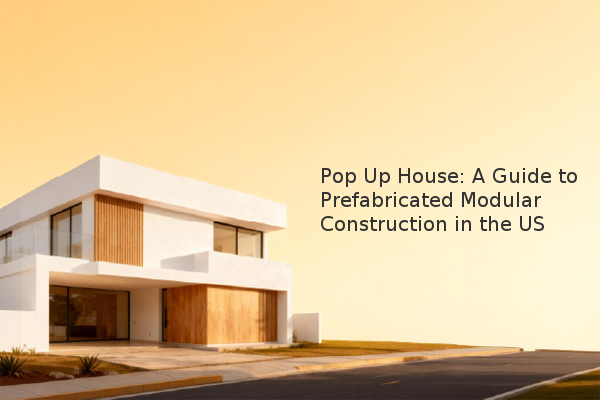
A Pop Up House is a modern construction method utilizing prefabricated, insulated wood panels that can be assembled rapidly on-site, often celebrated for its energy efficiency and speed of construction. This approach, formally known as a Structural Insulated Panel (SIP) system, offers a predictable building process and potential cost savings over traditional methods, making it an increasingly popular choice for residential projects across the United States. Based on our experience assessment, while the initial material costs can be higher, the reduced labor and shorter construction timeline often lead to a favorable overall budget.
What Exactly is a Pop Up House? The term "pop up" refers to the swift on-site assembly of major structural components. Unlike traditional stick-built homes where each piece is cut and fastened individually, a Pop Up House is constructed from large, factory-made panels. These SIPs consist of a thick layer of foam insulation (like Expanded Polystyrene or EPS) laminated between two oriented strand boards (OSB). This integrated design creates an exceptionally strong, well-insulated, and airtight building envelope. The primary advantage is speed; a weather-tight shell can often be completed in a matter of days, significantly reducing exposure to weather delays and on-site labor costs. This method minimizes construction waste and offers superior energy performance from the start.
What are the Key Advantages of Choosing This Method? The benefits extend far beyond just speed. The most significant advantage is energy efficiency. The continuous insulation and airtight seal of SIPs drastically reduce air infiltration, which is a major source of energy loss in homes. This can lead to substantially lower heating and cooling bills and a smaller carbon footprint. Furthermore, the structural strength of these panels allows for greater design flexibility with larger open spaces and fewer load-bearing walls. The controlled factory environment also ensures higher precision and quality control for each panel compared to variable on-site craftsmanship. For homeowners, this translates into a potentially more durable home with fewer drafts and hot spots.
What are the Potential Drawbacks and Considerations? While promising, this building method is not without its challenges. The upfront cost for the SIP panels themselves can be 10-15% higher than traditional lumber framing materials, though this is frequently offset by other savings. A critical consideration is the need for meticulous planning. Any design changes after the panels are fabricated can be very costly and complicated, so the architectural plans must be completely finalized before manufacturing begins. Additionally, you must work with contractors experienced in SIP construction, as improper sealing at panel joints can compromise the system's effectiveness. Finally, while excellent for thermal insulation, the walls require careful planning for running electrical wiring and plumbing, which need to be pre-planned or handled with specialized tools.
How Does the Cost Compare to a Traditional Home? The financial picture requires a holistic view. While SIP material costs are higher, the overall project cost can be competitive. The following table illustrates a simplified cost comparison for a 2,000-square-foot home shell:
| Cost Component | Traditional Stick-Built | Pop Up House (SIPs) | Notes |
|---|---|---|---|
| Material Cost (Shell) | $40,000 - $50,000 | $50,000 - $60,000 | SIP panels have a higher upfront cost. |
| Labor Cost (Assembly) | $30,000 - $40,000 | $15,000 - $25,000 | Faster assembly significantly reduces labor hours. |
| Total Estimated Shell Cost | $70,000 - $90,000 | $65,000 - $85,000 | Totals can be very comparable. |
It is essential to obtain detailed quotes from builders experienced in both methods. The long-term savings on energy bills should also be factored into the total cost of ownership, enhancing the value proposition of a Pop Up House.
Is a Pop Up House Right for Your Project? This construction method is an excellent fit for owners prioritizing energy efficiency, a faster build timeline, and modern design. It is particularly advantageous in regions with extreme temperatures where superior insulation delivers immediate benefits. However, it may be less suitable for those who anticipate frequent design changes or who are working with a builder unfamiliar with the system.
To make an informed decision, focus on these key steps: research SIP-specific builders in your state, secure financing that accommodates prefabricated construction draws, and prioritize a complete and detailed design before breaking ground. The success of a Pop Up House project hinges on expert execution and thorough pre-planning.