Browse

Log in / Register
 Share
Share
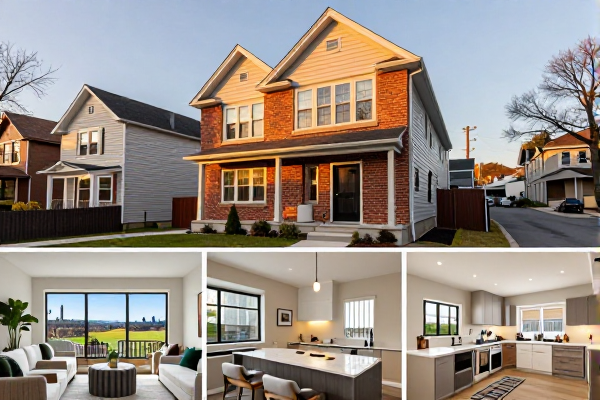
Understanding Pittsburgh, PA zip codes is essential for navigating the city's diverse real estate market, as each code corresponds to distinct neighborhoods with varying property values, school districts, and tax rates. For home buyers and sellers, zip code analysis provides a critical snapshot of local market dynamics, directly impacting investment decisions and property valuation. In 2026, leveraging zip code data is a fundamental step for making informed real estate choices in Allegheny County.
What is a Zip Code and Why Does It Matter in Pittsburgh Real Estate? A zip code, short for Zone Improvement Plan code, is a postal code used by the United States Postal Service (USPS) to efficiently route mail. In the context of real estate, a zip code serves as a key geographic identifier that aggregates vital data. For Pittsburgh, a city known for its distinct neighborhood identities, a zip code can signal significant differences in median home prices, access to public amenities, and the quality of local school districts. For instance, property tax rates are set by municipalities within Allegheny County, and since zip codes often align with these municipal boundaries, they are a reliable proxy for estimating tax obligations.
Key Pittsburgh Zip Codes and Their Real Estate Profiles Pittsburgh's real estate landscape can be broadly understood by examining a few representative zip codes. The following table provides a snapshot of the varying market conditions based on recent 2026 assessments.
| Zip Code | Primary Neighborhoods | Median Home Price* | Notable Characteristics |
|---|---|---|---|
| 15232 | Shadyside, Oakland | $550,000 | High demand due to proximity to universities and medical centers; mix of historic homes and modern condos. |
| 15217 | Squirrel Hill, Greenfield | $475,000 | Family-friendly with top-rated schools; strong community amenities and park access. |
| 15212 | North Shore, Allegheny West | $300,000 | Area of growth with new developments; lower entry point with potential for appreciation. |
| 15241 | Mt. Lebanon | $425,000 | Highly sought-after school district; primarily single-family homes in a suburban setting. |
| *Median home prices are estimates based on 2026 Q1 market data and can fluctuate. |
How to Use Zip Code Data for Buying or Selling a Home When buying a home, researching by zip code allows you to compare similar properties accurately, a process known as comparative market analysis (CMA). A CMA involves evaluating recently sold homes (comparables) in the same zip code to determine a property's fair market value. For sellers, this data is invaluable for setting a competitive listing price. Additionally, buyers should investigate specific property tax rates and millage rates within a zip code, as these are recurring costs that affect long-term affordability. It's also advisable to review community master plans for future development that could influence property values.
Beyond the Zip Code: Important Considerations While zip codes provide an excellent starting point, they should not be the sole factor in a real estate decision. Neighborhoods within a single zip code can have micro-markets with different characteristics. "Zip code data is a powerful tool, but it's not a substitute for on-the-ground research," based on our experience assessment. Always visit a neighborhood at different times of the day, talk to residents, and work with a local real estate professional who understands hyper-local trends. Check for upcoming infrastructure projects or zoning changes that could alter the area's appeal.
Purchasing a home in Pittsburgh requires a multi-layered analysis where zip code serves as the foundational layer. By combining zip code market data with personal due diligence on neighborhoods and schools, buyers and sellers can navigate the market with greater confidence. Focus on understanding local tax structures, school district ratings, and future development plans to make a strategic real estate decision.