Browse

Log in / Register
 Share

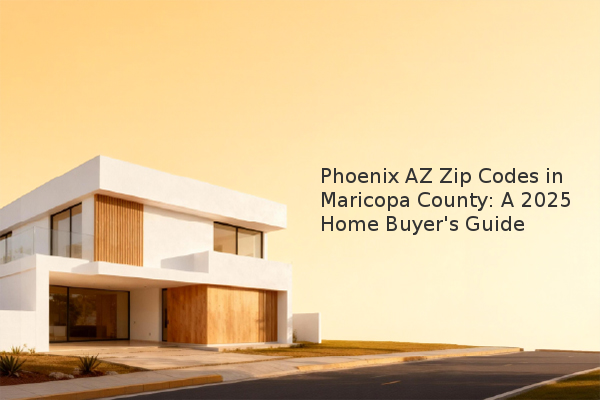
Understanding the zip codes within Phoenix, Arizona, and the broader Maricopa County is a fundamental step for any home buyer or real estate researcher. Zip codes are more than just mailing addresses; they are key identifiers that directly influence property values, school district quality, and neighborhood character. This guide provides a clear overview of Phoenix's zip code landscape, explaining how to use this information to refine your property search and make informed decisions based on current market data.
What Are the Key Phoenix, AZ Zip Codes in Maricopa County? Phoenix, the seat of Maricopa County, comprises numerous zip codes, each representing a distinct community. While not an exhaustive list, some of the primary zip codes include 85016 (Arcadia), 85018 (Biltmore), 85022 (North Central Phoenix), 85032 (Squaw Peak area), 85044 (Ahwatukee Foothills), and 85086 (Deer Valley). It is important to note that zip codes can extend beyond a single city's limits. For example, the 85254 zip code is shared by Scottsdale and Phoenix. For accurate property searching, always cross-reference the zip code with the specific city name provided by the listing.
How Do Zip Codes Impact Phoenix Real Estate Prices? Market value can vary significantly from one zip code to another. Factors such as proximity to employment hubs like Downtown Phoenix or the Camelback Corridor, school ratings from districts like the Washington Elementary or Paradise Valley Unified School Districts, and access to amenities like the Phoenix Mountain Preserves all contribute to these price disparities. The table below illustrates a sample of median sale prices across different Phoenix zip codes, based on recent aggregated market data. This data is for illustrative purposes and should be verified with a current market analysis.
| Phoenix Zip Code | Sample Median Sale Price (Single-Family Home) | Notable Area Characteristics |
|---|---|---|
| 85016 | $1,200,000 | Established, tree-lined neighborhoods near Camelback Mountain. |
| 85022 | $650,000 | Family-friendly, mid-century homes with strong community feel. |
| 85044 | $575,000 | Suburban feel bordering South Mountain Park. |
| 85086 | $450,000 | More affordable, newer construction in northern Phoenix. |
Why Should You Research by Zip Code When Buying a Home? Refining your search by zip code allows for a more efficient and targeted home-buying process. Instead of browsing the entire vast metropolitan area, you can focus on areas that match your budget, lifestyle, and needs. This targeted approach helps you understand the local competition, typical days on market, and price-per-square-foot trends. Furthermore, researching specific zip codes enables you to investigate localized factors such as property tax rates (the annual ad valorem tax levied by local governments on real estate) and future development plans that could affect your investment.
Practical Steps for Using Zip Codes in Your Phoenix Home Search Begin by identifying your priorities, such as commute time, school requirements, and home type. Use online mapping tools to visualize zip code boundaries in relation to your key locations. Next, work with a real estate professional who has hyper-local expertise in your preferred zip codes. They can provide access to the Multiple Listing Service (MLS), a database used by real estate brokers to share property information, ensuring you see all available listings. Finally, if possible, visit these areas at different times of the day to get a genuine feel for the community.
In summary, leveraging zip code information is a powerful strategy for navigating the Phoenix real estate market.