Browse

Log in / Register
 Share

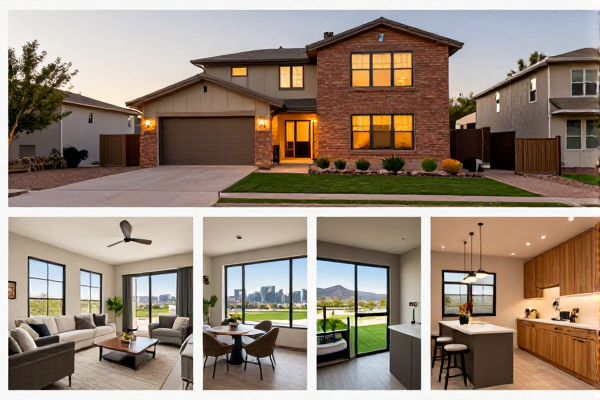
Understanding Phoenix's zip codes is essential for making informed real estate decisions, as each area offers distinct property values, community amenities, and market dynamics. In 2026, home values can vary by over $500,000 between the most and least expensive Phoenix zip codes, making a targeted search crucial for buyers and investors. This guide provides a data-driven overview of the Phoenix housing market by zip code, helping you identify areas that align with your budget and lifestyle goals.
Phoenix zip codes serve as practical proxies for neighborhood characteristics and real estate pricing tiers. For example, zip code 85018, encompassing the affluent Biltmore area, consistently commands premium prices due to its central location and luxury estates. Conversely, zip codes in the city's expanding western periphery, such as 85037, often feature more affordable, newer construction homes. The table below illustrates the average single-family home prices in a selection of key zip codes for early 2026, based on aggregated Multiple Listing Service (MLS) data.
| Phoenix Zip Code | Representative Neighborhoods | Avg. Home Price (Early 2026) |
|---|---|---|
| 85018 | Biltmore, Camelback East | $1,200,000+ |
| 85016 | Arcadia Lite, North Central | $850,000 |
| 85044 | Ahwatukee Foothills | $675,000 |
| 85032 | North Mountain | $550,000 |
| 85037 | Maryvale, West Phoenix | $375,000 |
Key Takeaway: Zip code selection is the first filter for setting a realistic budget in the Phoenix market. Prices are not uniform across the city, and understanding these geographic price clusters can significantly narrow your search.
Your choice of zip code should balance financial constraints with lifestyle preferences. For families, school district ratings are a primary driver of property values and are often closely tied to specific zip codes. Use resources like the Arizona Department of Education to compare schools within your target areas. Commuters should prioritize proximity to major freeways like the I-10, Loop 101, and SR-51. Furthermore, consider the Average Daily High Temperature, which can differ by several degrees between cooler, higher-elevation zones and hotter, lower-lying areas, impacting utility costs.
The Phoenix real estate market continues to evolve in 2026. The Northeast Valley remains a hotspot for luxury development and stable value retention. The Downtown core (85004) is experiencing a surge in new condo and townhome construction, attracting younger professionals. Meanwhile, the Southwest areas are seeing significant infrastructure investment, making zip codes like 85041 an emerging option for first-time home buyers seeking affordability. Property Tax assessments, which vary by county and municipality, are another critical factor; Maricopa County provides an online portal for estimating annual tax burdens for any address.
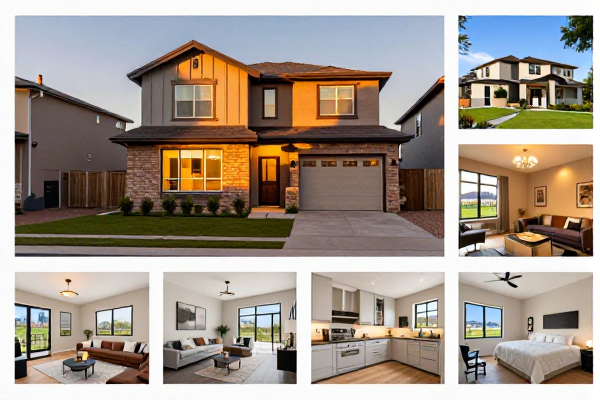
After identifying promising zip codes, ground-level research is vital. Partner with a local real estate agent who has hyper-local expertise in your chosen areas. They can provide insights beyond the data, such as neighborhood vibe, future development plans, and typical HOA fees. "Based on our experience assessment," visiting neighborhoods at different times of the day and week will give you a genuine feel for traffic, noise, and community activity.
To navigate the Phoenix market successfully: 1) Define your budget and priorities first. 2) Use zip code data to create a target shortlist. 3) Conduct in-person due diligence in your top choices. This structured approach will help you find a home that meets both your financial and lifestyle needs in the vibrant Phoenix metropolitan area.