Browse

Log in / Register
 Share
Share
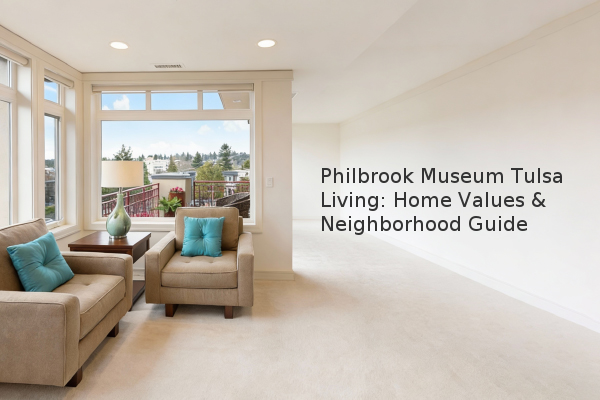
Living near the Philbrook Museum of Art in Tulsa, Oklahoma, typically commands a significant premium for residential properties, influenced by the area's historic charm, aesthetic appeal, and cultural amenities. Homes in the adjacent neighborhood, often referred to as Maple Ridge and Swan Lake, are among the most sought-after in the city. This guide provides an objective analysis of the local real estate market, property types, and key considerations for prospective buyers.
What Defines the Philbrook Museum Neighborhood?
The area surrounding the Philbrook Museum is characterized by its historic significance and architectural diversity. The museum itself is housed in a former 1920s Italian Renaissance villa set on 25 acres of formal gardens, which sets a high standard for the neighborhood's ambiance. The residential streets feature a mix of Tudor Revival, Colonial Revival, and Prairie School homes, many dating back to the early 20th century. A historic district designation often applies, which can influence renovation and maintenance protocols. The proximity to Utica Square, a high-end open-air shopping center, adds to the area's convenience and lifestyle appeal. For buyers, this translates to a unique living environment that blends cultural access with established, tree-lined communities.
What Are the Current Home Values and Market Trends?
Based on recent market data, the premium for location is clear. While the broader Tulsa market may have a median home price significantly lower, properties within a half-mile radius of the Philbrook Museum consistently sell for well above the city average. The market is primarily composed of single-family homes, with a limited number of upscale condominiums.
| Property Characteristic | Typical Market Profile (Approx.) | Notes |
|---|---|---|
| Average Home Price | $700,000 - $1.5M+ | Highly dependent on size, condition, and architectural significance. |
| Price Per Square Foot | $200 - $300+ | Often exceeds the Tulsa average by 50-100%. |
| Property Types | Predominantly single-family historic homes. | Limited new construction; most homes require varying degrees of upkeep. |
| Market Competition | High for move-in ready properties. | Well-preserved historic homes can receive multiple offers. |
This data illustrates the implied premium associated with this specific location. It is crucial to consult a local real estate professional for the most current and precise valuation for a particular property.
What Should Buyers Consider Beyond the Price Tag?
The decision to purchase a home in this area involves several factors beyond the listing price. Property Tax assessments will be correspondingly higher due to the elevated home values. Furthermore, owners of historic homes should budget for specialized maintenance and repairs, which can be more costly than for newer constructions. While the neighborhood is highly walkable for recreational purposes, reliance on a car for most errands and commuting is typical. The aesthetic controls or covenants associated with a historic district may require approval for external modifications, preserving the area's character but adding a layer of process for homeowners.
Is the Philbrook Museum Area a Good Investment?
From a real estate perspective, properties in stable, desirable, and culturally significant locations like the Philbrook neighborhood have historically shown strong appreciation rates. Their scarcity and unique character provide a buffer against market fluctuations that might affect more generic suburban developments. The constant draw of the museum and gardens ensures the area remains a destination, contributing to long-term demand. However, as with any real estate investment, past performance does not guarantee future results, and market conditions can change.
Prospective buyers should prioritize a thorough inspection, understand the financial implications of historic home ownership, and assess how the lifestyle offered by the Philbrook Museum neighborhood aligns with their long-term goals. The combination of architectural beauty, cultural enrichment, and community prestige makes it a compelling, though premium, choice in the Tulsa housing market.