Browse

Log in / Register
 Share

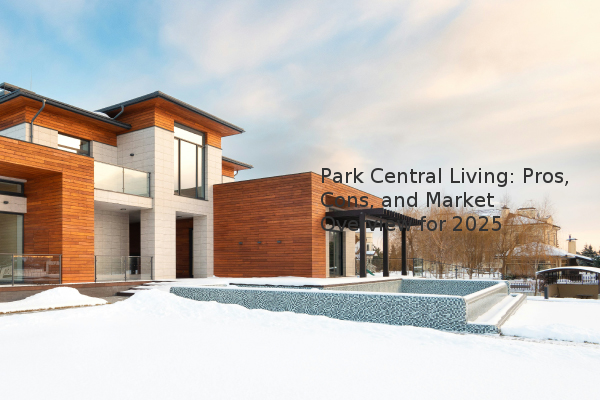
Living in a development named Park Central often signifies a balance between urban convenience and green space access. Based on our experience assessment, the primary appeal of these communities is their master-planned design, which typically integrates residential units with retail, parks, and recreational amenities. This article provides an objective overview of what to expect from a Park Central-style property, covering market trends, financial considerations, and lifestyle factors to aid in your decision-making process.
What Defines a Park Central-Style Community?
The term "Park Central" is frequently used for large-scale, mixed-use developments. Mixed-use refers to a property or area that combines residential, commercial, cultural, and recreational uses. These communities are designed to be walkable, reducing reliance on cars for daily errands. Key features often include a central park or green space as a focal point, proximity to shopping and dining, and a variety of housing options, from condominiums to single-family homes. The goal is to create a self-sufficient neighborhood where residents can live, work, and play.
What Are the Financial Considerations?
Understanding the costs is crucial. Properties in these well-appointed communities often command a price premium compared to similar homes in standard subdivisions. You must budget for the Homeowners Association (HOA) fee, a monthly or annual charge paid by residents for the maintenance of common areas and amenities. These fees can be substantial, covering landscaping, security, pool upkeep, and more. It's essential to review the HOA's financial health and rules before purchasing. Additionally, property tax rates will apply based on the local jurisdiction's assessed value of your home.
| Housing Type | Potential Price Premium | Common HOA Amenities |
|---|---|---|
| Condominium | 5-10% | Pool, gym, concierge, park upkeep |
| Townhome | 7-12% | Landscaping, private parks, community clubhouse |
| Single-Family Home | 3-8% | Community pools, parks, security patrols |
How Does the Lifestyle Compare to Traditional Neighborhoods?
The lifestyle in a Park Central community is often more community-oriented and active. With amenities within walking distance, residents may find it easier to socialize and engage in recreational activities. This can be ideal for young professionals, couples, and families seeking a vibrant environment. However, this density can also mean less privacy and more noise than in a traditional, low-density suburban neighborhood. It's a trade-off between convenience and tranquility that each buyer must weigh based on personal preference.
What Should a Buyer Investigate Before Committing?
Prospective buyers should conduct thorough due diligence. Start by examining the HOA's covenants, conditions, and restrictions (CC&Rs) to ensure they align with your lifestyle. Request a copy of the HOA's reserve study to see if they have adequate funds for future major repairs. Research the developer's reputation and the long-term development plan for the area. It is also highly recommended to obtain title insurance, a form of indemnity insurance that protects against financial loss from defects in a property's title.
Is Park Central Living a Good Investment?
Market trends in 2024 indicate sustained demand for mixed-use, walkable communities, suggesting that well-maintained Park Central-style properties may hold their value well. Their appeal to a broad demographic can be a stabilizing factor. However, investment potential is highly localized and depends on the specific market's economic health, population growth, and the management quality of the HOA.
In summary, choosing a Park Central property involves evaluating a distinct set of trade-offs. The key advantages are convenience, amenities, and a community-focused lifestyle. The primary considerations are the associated HOA fees, potential for less privacy, and the need for diligent research into the HOA's governance. By carefully weighing these factors, you can determine if this modern living arrangement meets your long-term housing goals.