Browse

Log in / Register
 Share
Share
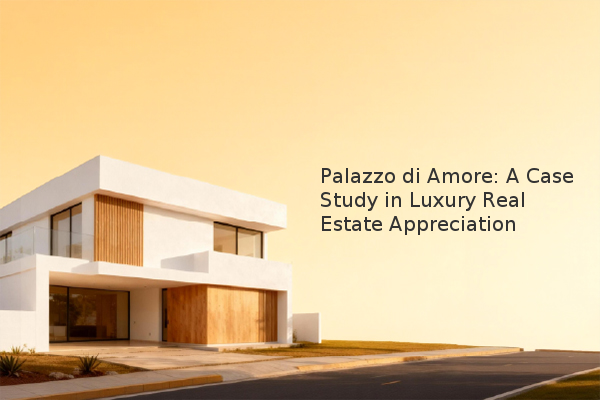
For high-net-worth individuals, luxury real estate represents a significant asset class where strategic acquisition and improvement can lead to substantial value appreciation. The Palazzo di Amore in Beverly Hills, California, exemplifies this principle. Originally purchased for $35 million in 2007, the property's current market valuation of $195 million underscores a dramatic increase, driven by an estimated $25 million in strategic upgrades and its unparalleled amenities. This case study illustrates the key factors that define and drive value in the ultra-luxury residential market.
What Defines an Ultra-Luxury Estate Like Palazzo di Amore? An estate enters the ultra-luxury category based on a combination of location, scale, exclusivity, and bespoke amenities. The Palazzo di Amore is situated on almost 25 acres in Beverly Hills, one of the most coveted zip codes in the United States. The main residence includes 12 bedrooms and 16 full bathrooms. Beyond sheer size, its value is anchored by unique features that cater to an elite lifestyle. These include a 27-car garage, a professional-grade theater, tennis courts, a spa, a discotheque, a bowling alley, and a productive vineyard. The combination of irreplaceable land and non-replicable amenities creates a value proposition that transcends standard market comparisons.
How Do Upgrades Impact the Value of a High-End Property? Capital improvements are critical for value preservation and growth in the luxury sector. Based on our experience assessment, not all upgrades yield the same return on investment. The reported $25 million invested in the Palazzo di Amore since 2007 likely targeted both infrastructural enhancements and the addition of exclusive entertainment features. In luxury real estate, improvements that increase functionality, technological integration, and unique experiential offerings—such as a private vineyard or a full-scale spa—typically have a higher impact on appraised value than cosmetic updates. Strategic capital expenditure is essential for maintaining a property's competitive edge in the top tier of the market.
What is the Investment Potential of a Luxury Rental Property? The rental market for ultra-luxury homes is a niche but viable strategy for generating income to offset carrying costs. Carrying costs, which include property taxes, insurance, and maintenance, can be substantial for a estate of this scale. The property's reported monthly rental rate of approximately $475,000 demonstrates its income-generating potential. This rental income can help defray annual expenses while the asset appreciates over time. However, market liquidity for rentals at this price point is limited, requiring a specialized marketing approach and a clear understanding of the target tenant profile, which often includes corporate entities for extended stays or high-profile individuals seeking short-term leases.
What Should a Potential Buyer Consider in This Market Segment? Prospective buyers in the ultra-luxury market must conduct extensive due diligence beyond the standard residential purchase. This includes a detailed review of title insurance, which protects against ownership disputes, and a precise accounting of all annual property tax obligations. Furthermore, understanding the costs associated with maintaining specialized amenities like vineyards or private entertainment venues is crucial for an accurate long-term financial assessment. The transaction process for properties at this level often involves complex legal and financial structures.
| Aspect | Consideration |
|---|---|
| Due Diligence | In-depth review of title history, zoning laws, and environmental regulations. |
| Carrying Costs | Accurate projection of property taxes, insurance, staffing, and maintenance. |
| Market Analysis | Review of comparable sales (comps) for ultra-luxury properties, which are often limited. |
Conclusion The trajectory of the Palazzo di Amore offers clear insights for the luxury real estate sector. The most significant value drivers are location, unique amenities, and strategic capital improvements. For investors, understanding the balance between generating rental income and long-term capital appreciation is key. A thorough evaluation of all ongoing obligations, from property tax to maintenance, is non-negotiable for making a sound investment decision in this exclusive market segment.