Browse

Log in / Register
 Share
Share
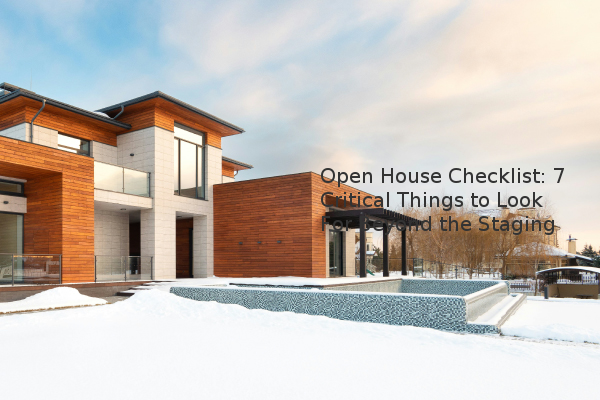
Attending an open house is a strategic step for 66% of buyers, offering a unique chance to assess a property beyond online listings. To maximize this opportunity, focus on the home's fundamental condition and neighborhood fit. A successful visit requires a keen eye for potential problems and the discipline to see past decorative staging. Based on our experience assessment, the most critical areas to evaluate are the foundation, roof, and major systems, as these represent the costliest repairs. This guide provides a clear checklist to help you identify red flags and gauge genuine interest in the property.
Before focusing on aesthetics, assess the home's permanent features. Walk through the main living areas—from the garage to the kitchen to the primary bedroom—and visualize your daily routine. An effective layout is a quality that is difficult and expensive to alter. Pay attention to the flow between rooms, ceiling heights, and where natural light enters. While paint colors and furniture are easy to replace, the home's fundamental structure and floor plan are not. Peek under rugs and glance behind large furniture to check the true condition of the floors and walls.
A professional home inspection is essential, but you can spot early warning signs during an open house. Look for these common complications that could break your budget:
The table below summarizes key areas and potential concerns:
| Area to Inspect | What to Look For |
|---|---|
| Foundation | Sloping floors, sticking doors, wall cracks |
| Roof | Curled/broken shingles, agent's report on age |
| Plumbing | Rust under sinks, leaks on visible pipes |
| Interior | Water stains on ceilings/walls, musty smells |
When you buy a house, you are also investing in the neighborhood. Take a walk around the block. Are there sidewalks? Are neighbors outside? Talk to potential residents to learn about community dynamics. Simultaneously, observe the level of interest at the open house. A high volume of visitors may indicate strong competition, which could influence your offer strategy. Politely ask the listing agent if there have been any price changes or existing offers, as this information can provide valuable leverage.
Ultimately, a successful open house visit is about gathering data. Focus on the property's permanent features and potential problems, not its temporary decor. Use the experience to determine if a private follow-up tour with your agent is warranted.