Browse

Log in / Register
 Share
Share
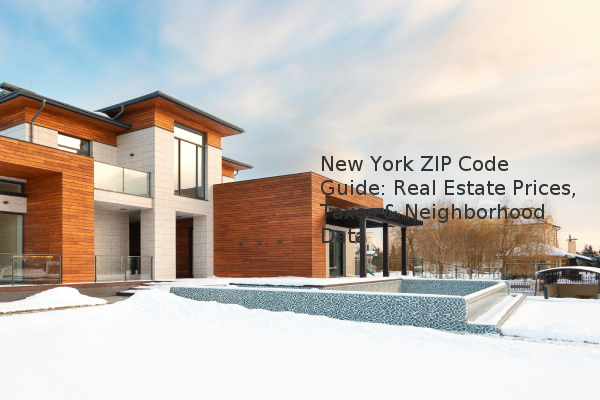
Understanding New York ZIP codes is fundamental to navigating the state's diverse real estate market, as these five-digit codes directly influence property values, tax rates, and neighborhood characteristics. This guide provides an objective analysis of how ZIP codes correlate with real estate prices, property taxes, and key neighborhood data across New York State. Whether you are buying, selling, or investing, recognizing these geographic distinctions is crucial for making an informed decision.
A ZIP Code, an acronym for Zone Improvement Plan, is a system used by the United States Postal Service (USPS) to efficiently route mail. In real estate, a ZIP code has evolved into a significant geographic marker that often defines market boundaries. Realtors and appraisers use ZIP code data to perform comparative market analyses (CMAs), which help determine a property's value based on recent sales of similar homes in the same area. For instance, property listings are typically filtered and searched by ZIP code, making it a primary identifier for a neighborhood's real estate landscape. While a ZIP code doesn't dictate school districts or municipal services on its own, it frequently aligns with these and other factors that drive property demand and price.
Real estate prices in New York State exhibit extreme variation from one ZIP code to another. A condominium in Manhattan's 10012 ZIP code, for example, will command a vastly different price than a single-family home in a rural upstate area. The table below illustrates the dramatic price differences across a sample of New York ZIP codes, based on aggregated market data from the past year.
| ZIP Code | Area Description | Median Home Price (Approx.) | Property Type |
|---|---|---|---|
| 10012 | Greenwich Village, Manhattan | $1,800,000 | Condo/Co-op |
| 11215 | Park Slope, Brooklyn | $1,200,000 | Townhouse/Brownstone |
| 14607 | Southeast Rochester | $110,000 | Single-Family Home |
| 13210 | University Hill, Syracuse | $250,000 | Single-Family Home |
These disparities are driven by factors such as proximity to economic hubs, neighborhood amenities, and housing supply. The median home price can differ by millions of dollars within a few miles, highlighting the critical importance of location.
Property tax is a primary source of revenue for local governments and school districts, and its rates are highly localized. In New York, your property tax bill is determined by the municipality and county in which your property is located, which are often—but not always—coterminous with a ZIP code. For example, properties in Westchester County ZIP codes like 10583 (Scarsdale) are subject to some of the highest effective tax rates in the nation, while properties in certain upstate areas may have lower rates. It is essential to research the specific tax jurisdiction for a property, as two homes in the same ZIP code could be in different school districts with varying tax levies.
Beyond price and taxes, a ZIP code can serve as a starting point for deeper neighborhood research. Key data points to investigate for any given ZIP code include:
Conducting thorough due diligence on these factors within a specific ZIP code provides a more complete picture of a potential investment than price alone.
To effectively use New York ZIP code data in your real estate search, cross-reference pricing trends with localized tax rates and community amenities. Always verify municipal boundaries independently of the ZIP code, and consult recent, hyper-local sales data for the most accurate assessment of a property's market value.