Browse

Log in / Register
 Share
Share
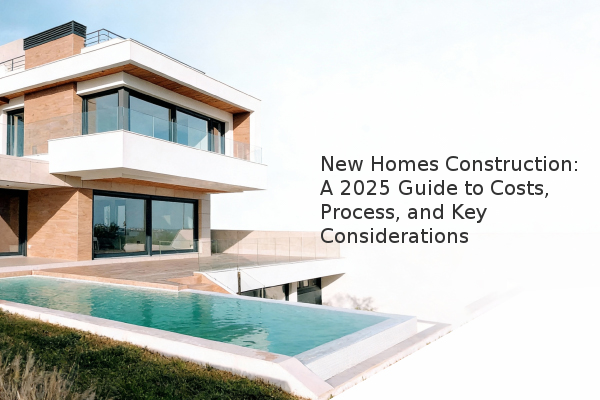
New homes construction offers a path to a fully customized property, but it requires navigating a complex process with significant financial and logistical considerations. The core advantage is creating a home tailored to your specific needs, from the floor plan to the finishes. However, this path is typically more time-consuming and often has a higher upfront cost compared to buying an existing home. Success hinges on understanding the key stages, from selecting a builder and securing financing to managing the construction timeline.
The cost of building a new home is highly variable, influenced by location, lot price, size, materials, and labor. As of 2025, the national average cost per square foot for a new single-family home ranges from $150 to $400 or more. This wide range underscores the importance of regional factors. For instance, building in a major metropolitan area will be significantly more expensive than in a rural location. It's critical to distinguish between the base price quoted by a builder and the final sale price, which often excludes essential items like landscaping, window treatments, and major appliances.
A preliminary budget should account for more than just construction costs. You must also consider the price of the land, permit fees, architectural plans, and utility connection charges. Financing for new construction is also different; a construction-to-permanent loan is a common financial product that covers the building phase and then converts into a standard mortgage once the home is complete. Unexpected issues, such as delays due to weather or supply chain disruptions for materials, can also impact the final cost, making a contingency fund of 10-20% a prudent part of any budget.
| Cost Factor | Average Range (2025) | Notes |
|---|---|---|
| Land Purchase | $50,000 - $150,000+ | Highly dependent on location and lot size. |
| Construction Cost (per sq. ft.) | $150 - $400+ | Varies by materials, labor market, and home design complexity. |
| Architect & Permits | $10,000 - $30,000 | Essential for custom designs and legal compliance. |
| Contingency Fund | 10-20% of build cost | Crucial for covering unexpected issues during construction. |
The process generally follows a sequence of distinct phases, beginning with planning and design. This initial stage involves working with an architect or designer to create blueprints, selecting a lot (the parcel of land on which the home will be built), and obtaining the necessary municipal permits. Choosing a reputable and licensed builder is perhaps the most critical decision at this stage. It is advisable to interview multiple builders, check their references, and review their portfolios of completed projects.
Once financing and contracts are in place, the physical construction begins. This phase starts with site preparation and laying the foundation. The framing stage follows, where the skeletal structure of the house is built. Then come the mechanical rough-ins for plumbing, electrical, and HVAC systems. After inspections, insulation and drywall are installed, and interior finishes like flooring, cabinets, and paint are applied. Throughout this process, you will typically have a series of walk-throughs with the builder to monitor progress and address any concerns before the final pre-settlement orientation.
The primary benefit of new homes construction is customization. You have significant control over the layout, features, and energy efficiency of the home. Modern new builds often incorporate advanced insulation, high-efficiency windows, and Energy Star-rated appliances, which can lead to substantial savings on utility bills. Furthermore, a new home typically comes with a builder's warranty, which covers defects in materials and workmanship for a set period, providing peace of mind that isn't available with most existing homes.
The potential downsides are equally important to consider. Construction timelines are estimates and can be delayed by weather, material shortages, or permit issues. The financial commitment is also front-loaded, and costs can escalate if you make changes to the original plans mid-construction. There's also the matter of landscaping and outdoor spaces, which are often not included in the base price and require additional time and investment after moving in.
Building a new home is a major undertaking that offers a unique reward. To make an informed decision, thoroughly research builders, secure financing tailored for construction, and maintain a realistic budget with a healthy contingency fund. By understanding the costs, process, and potential challenges upfront, you can better navigate the journey to creating your ideal home.