Browse

Log in / Register
 Share
Share
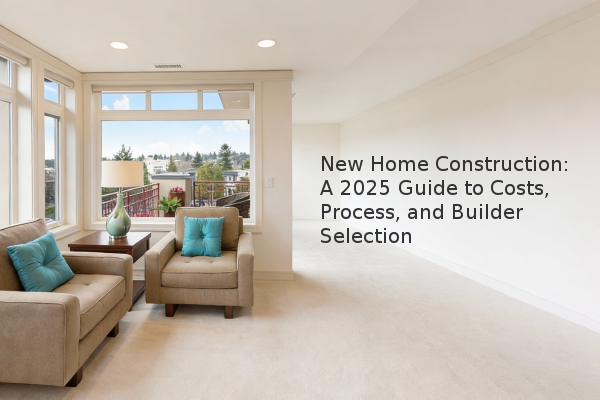
New home construction offers a unique opportunity to create a living space tailored to your specific needs, but it requires navigating a distinct process from purchasing an existing home. This guide provides a clear, step-by-step overview of what to expect, from budgeting and selecting a builder to understanding the construction timeline and final walkthrough. Based on our experience assessment, being well-informed is the most critical factor in ensuring a successful build.
The journey begins long before the foundation is poured. Unlike buying an existing property, new construction involves a multi-phase process. It typically starts with securing financing, which may differ from a standard mortgage. A construction-to-permanent loan is a common financing option; it initially covers the building costs and then converts into a standard mortgage upon completion. You will then select a lot and a builder, followed by choosing your home's design and features. This initial planning stage is where your budget is set, making it crucial to account for all potential costs, including permits, utility hookups, and landscaping, which are not always included in the base price.
A key document at this stage is the purchase agreement. This contract should detail everything from the floor plan and materials to the completion date and warranty information. Pay close attention to the allowance schedule for items like flooring and lighting, as selections that exceed these allowances will increase your final cost. It's also standard practice to provide an earnest money deposit, a good-faith payment that shows the builder you are a serious buyer, typically ranging from 1% to 5% of the home's expected price.
The advertised base price is rarely the final amount you will pay. A realistic budget must account for both hard and soft costs. Hard costs are directly related to the physical construction, such as materials and labor. Soft costs include architectural fees, permits, and title insurance, which protects against losses from defects in the title to the property. It is essential to have a contingency fund of 10-15% of the total budget to cover unexpected issues, like soil problems or supply chain-related material price increases.
The following table outlines common cost categories beyond the base price:
| Cost Category | Typical Range | Description |
|---|---|---|
| Lot Acquisition | $50,000 - $150,000+ | Cost of the land itself, varying significantly by location. |
| Site Work | $10,000 - $30,000 | Includes clearing, grading, and connecting to municipal utilities. |
| Permits & Fees | $5,000 - $20,000 | Local government charges for building permits and impact fees. |
| Upgrades & Allowances | Varies Widely | Costs for selections that exceed the builder's standard options. |
| Landscaping | $3,000 - $15,000 | Often not included in the base price of the home. |
Your choice of builder is one of the most significant factors determining your project's success. Start by researching builders with experience in your desired style and price range. Check their license and insurance credentials with your state's licensing board. Review their portfolio of completed homes and, most importantly, ask for references from past clients. Speaking directly with previous customers can provide invaluable insight into the builder's communication style, adherence to schedules, and quality of work.
Before signing a contract, visit active construction sites to observe the builder's standards for safety and organization. A well-managed site is often indicative of a well-managed project. Verify what type of warranty the builder offers. Most reputable builders provide a third-party warranty that covers major structural defects for ten years, along with shorter-term coverage on systems and workmanship. This warranty provides peace of long-term mind long after the project is complete.
While exciting, building a new home comes with its own set of challenges. Construction delays are common due to weather, material shortages, or permit delays. Maintaining flexible moving plans can reduce stress. Furthermore, you must be prepared to make dozens of decisions under tight deadlines. It's helpful to research finishes and appliances beforehand to streamline the selection process.
During construction, it is wise to hire an independent home inspector to conduct phase inspections (e.g., pre-drywall) to ensure the work meets building codes and quality standards. Finally, the final walkthrough is your chance to identify any items that need correction before closing. Create a "punch list" of minor issues like paint touch-ups or grout cleaning for the builder to address. Thorough research, a realistic budget, and a carefully vetted builder are the pillars of a successful new home construction project. By understanding the process from start to finish, you can make informed decisions and turn the vision of your dream home into a reality.