Browse

Log in / Register
 Share

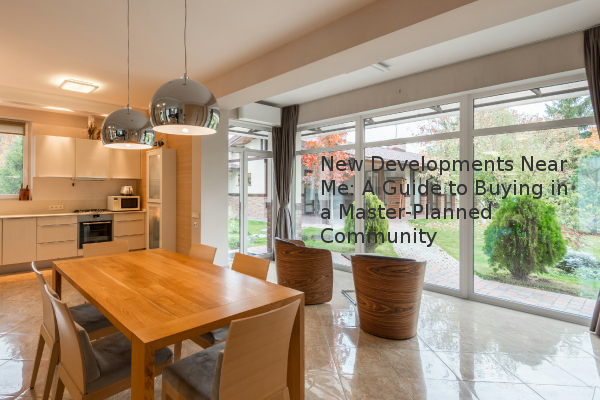
Buying a home in a new development near you offers distinct advantages, including modern amenities, energy-efficient construction, and the opportunity to customize your home. However, this path requires careful research into the builder's reputation, understanding the full scope of HOA fees, and navigating a different purchasing timeline compared to resale homes. This guide provides a factual framework to assess new developments near me effectively.
A master-planned community is a large-scale residential development with a comprehensive blueprint that includes not just homes, but also amenities like parks, schools, and retail spaces. When searching for "new developments near me," you are likely encountering these communities. Unlike a single subdivision, they are designed as a holistic neighborhood. The concept is governed by a Homeowners Association (HOA), a legal entity that manages common areas and enforces community rules, known as Covenants, Conditions, and Restrictions (CC&Rs). Understanding the HOA's role, its fees, and its rules is critical before purchasing.
The quality of your new home is directly tied to the builder's expertise. Start by researching the company's history and looking for other developments they have built. Visit those communities if possible to assess the long-term quality and speak with current residents about their experiences. Check for any ongoing litigation or complaints with the state's contractor licensing board. A reputable builder will be transparent about their past projects and should provide you with a comprehensive warranty package that covers structural defects and major systems for a specified period.
While the base price of the home is a starting point, the total cost of buying in a new development can be higher. Property Tax assessments may be based on the improved land value after construction, which is often higher than for an older home. You must also budget for HOA fees, which are recurring monthly or quarterly charges for maintaining shared amenities. Furthermore, many new homes are sold as unfinished models, meaning you will need to account for the cost of landscaping, window treatments, and other finishing touches not included in the base price.
| Cost Factor | Description | Estimated Range |
|---|---|---|
| Base Home Price | The advertised price for the standard model. | Varies by market |
| Lot Premium | Additional cost for a desirable lot location (e.g., backing to open space). | $5,000 - $50,000+ |
| Design Upgrades | Changes to standard finishes (flooring, cabinets, countertops). | 5-15% of base price |
| HOA Fees | Monthly fee for amenity and common area maintenance. | $100 - $500+ |
| Property Taxes | Based on the final assessed value after construction. | Varies by locality |
The process of buying a new construction home differs from a traditional resale. After selecting a lot and a floor plan, you will sign a purchase agreement with the builder. This is followed by a design center appointment where you select upgrades. Construction can take several months to over a year, during which you should consider conducting independent inspections at key phases, such as after the foundation is poured and before the drywall is installed. Title Insurance is a form of indemnity insurance that protects against financial loss from defects in a property title; it is a standard part of the closing process. Be prepared for potential delays due to weather or supply chain issues.
To make an informed decision about new developments near you, prioritize researching the builder's track record, meticulously review all HOA documents, and build a comprehensive budget that includes all potential costs. By approaching the process with a clear understanding of the timeline and financial commitments, you can better determine if a new development aligns with your homeownership goals.