Browse

Log in / Register
 Share
Share
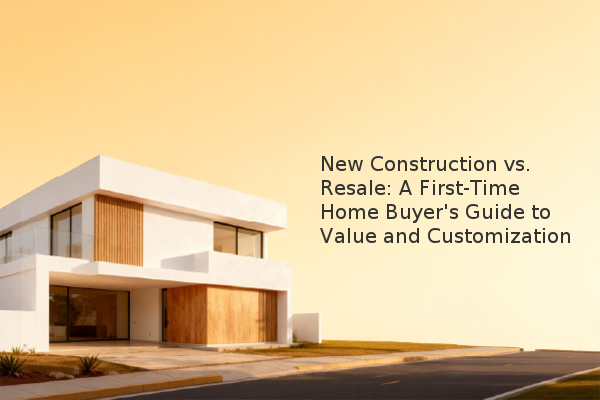
For first-time home buyers, balancing affordability with personal style is crucial. While resale homes may seem cheaper initially, new construction offers a more cost-effective path to personalization, allowing you to integrate desired upgrades into your mortgage and avoid the hidden costs and hassles of post-purchase renovations. This approach provides immediate satisfaction and long-term value, backed by builder warranties.
When budgeting for a home, many first-time buyers underestimate the true cost of renovating a used property. Upgrades like flooring, countertops, and cabinets are typically more affordable when selected during the construction phase.
According to industry assessment, integrating upgrades during building is often more economical than retrofitting later. For example, the table below illustrates a simplified cost comparison for common improvements.
| Upgrade | Approximate Cost in New Build (Financed) | Approximate Cost as Renovation (Out-of-Pocket) |
|---|---|---|
| Luxury Vinyl Plank Flooring | Added to mortgage payment | $4,000 - $7,000 |
| Quartz Countertops | Added to mortgage payment | $3,000 - $6,000 |
| Cabinet Upgrade | Added to mortgage payment | $5,000 - $10,000 |
Note: Renovation costs are estimates and can vary significantly based on materials and labor.
The prospect of countless design choices can be overwhelming. Builders like PulteGroup structure the selection process to prevent decision fatigue and keep buyers on budget.
“We provide preliminary resources before the appointment. Things like online catalogs and product packages help buyers show up informed,” says Angela Nuessle, a national vice president of interior design. During design consultations, experts guide you toward choices that reflect your style while emphasizing value. You can choose from curated packages or customize room-by-room, ensuring your budget is allocated to the features that matter most to you.
Since 2020, buyer preferences have shifted toward functionality and flexibility over pure square footage. Builders have responded by incorporating these high-demand features into entry-level floor plans:
These elements demonstrate that even starter homes can offer contemporary, adaptable living spaces without a massive footprint.
Beyond customization, new construction offers significant peace of mind that resale homes cannot. A builder warranty (a contract that covers defects in materials and workmanship for a specific period) protects your investment. This contrasts with used homes, which are typically sold "as-is," leaving the buyer responsible for any immediate or future repairs. The combination of durable new materials, modern building standards, and warranty protection is a decisive factor for many buyers.
For first-time buyers, the new construction path simplifies a complex process. By focusing your budget on upgrades that are financed with your mortgage, you gain a home that reflects your style from day one while avoiding the unpredictable costs and stresses of renovating an existing property.